- Genre
- Conservation
Nature & Wildlife
Science
- Duration
-
2 × 50 min
- Definition
- 4K
- Audio
- 5.1
- Status
- In Production
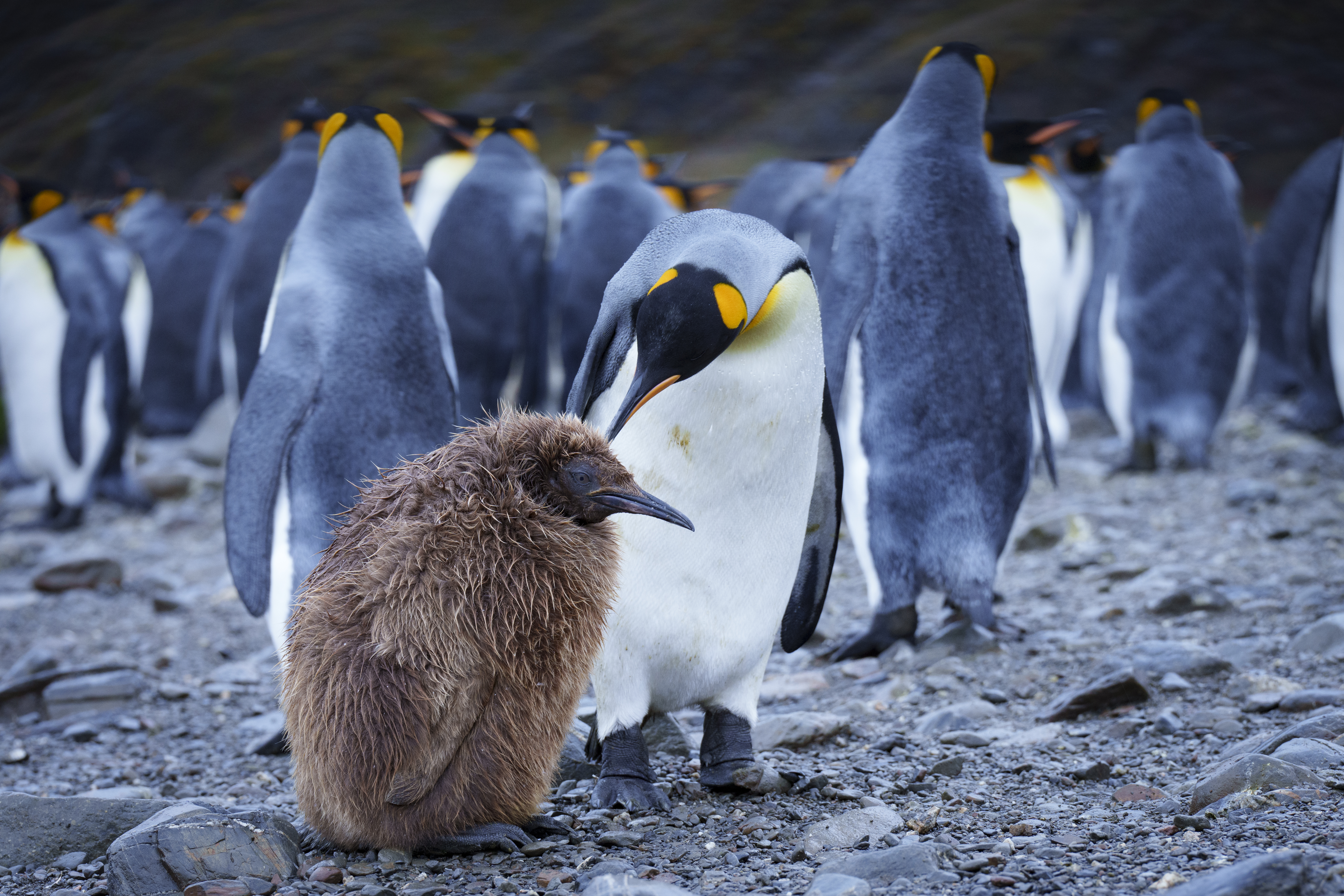
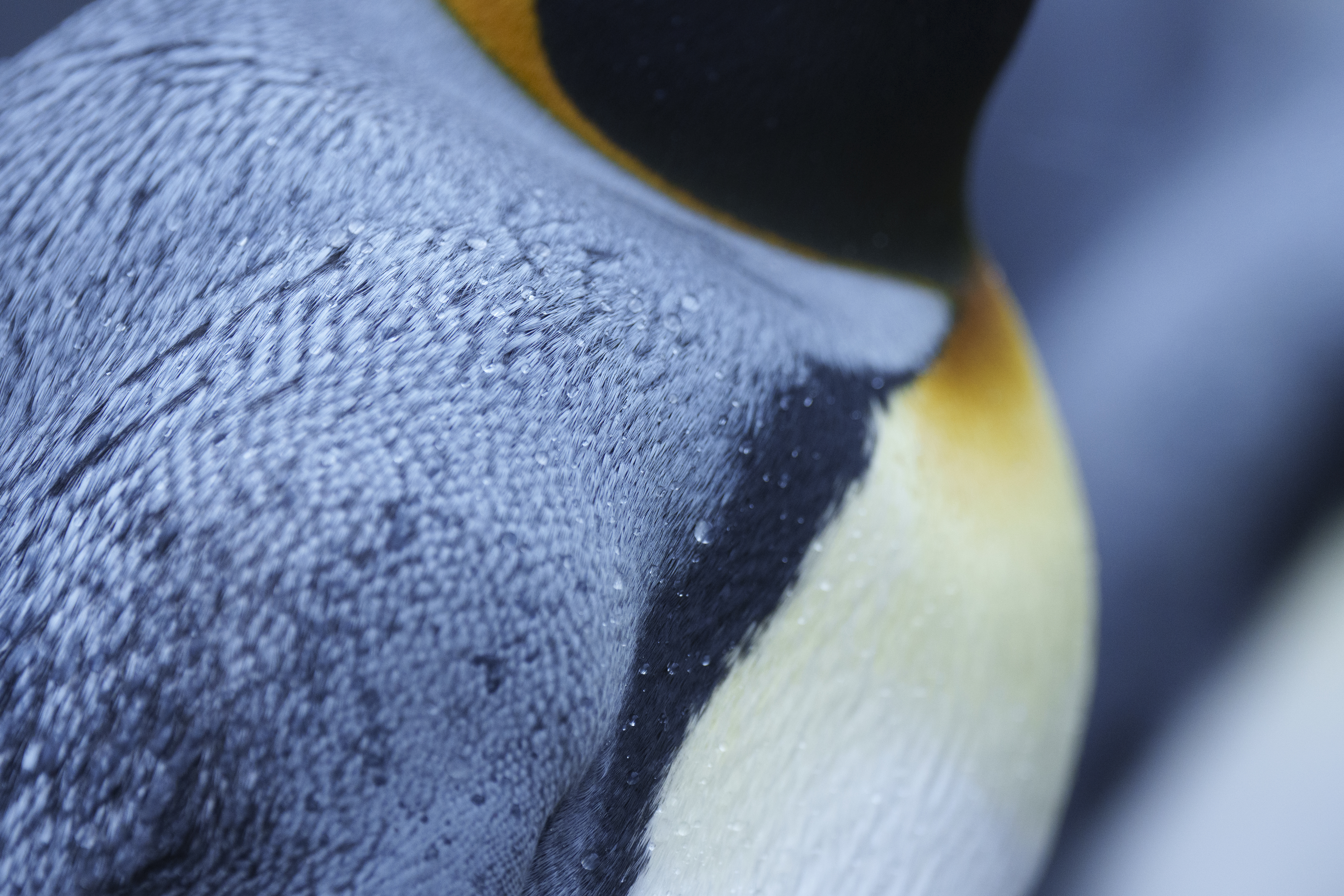
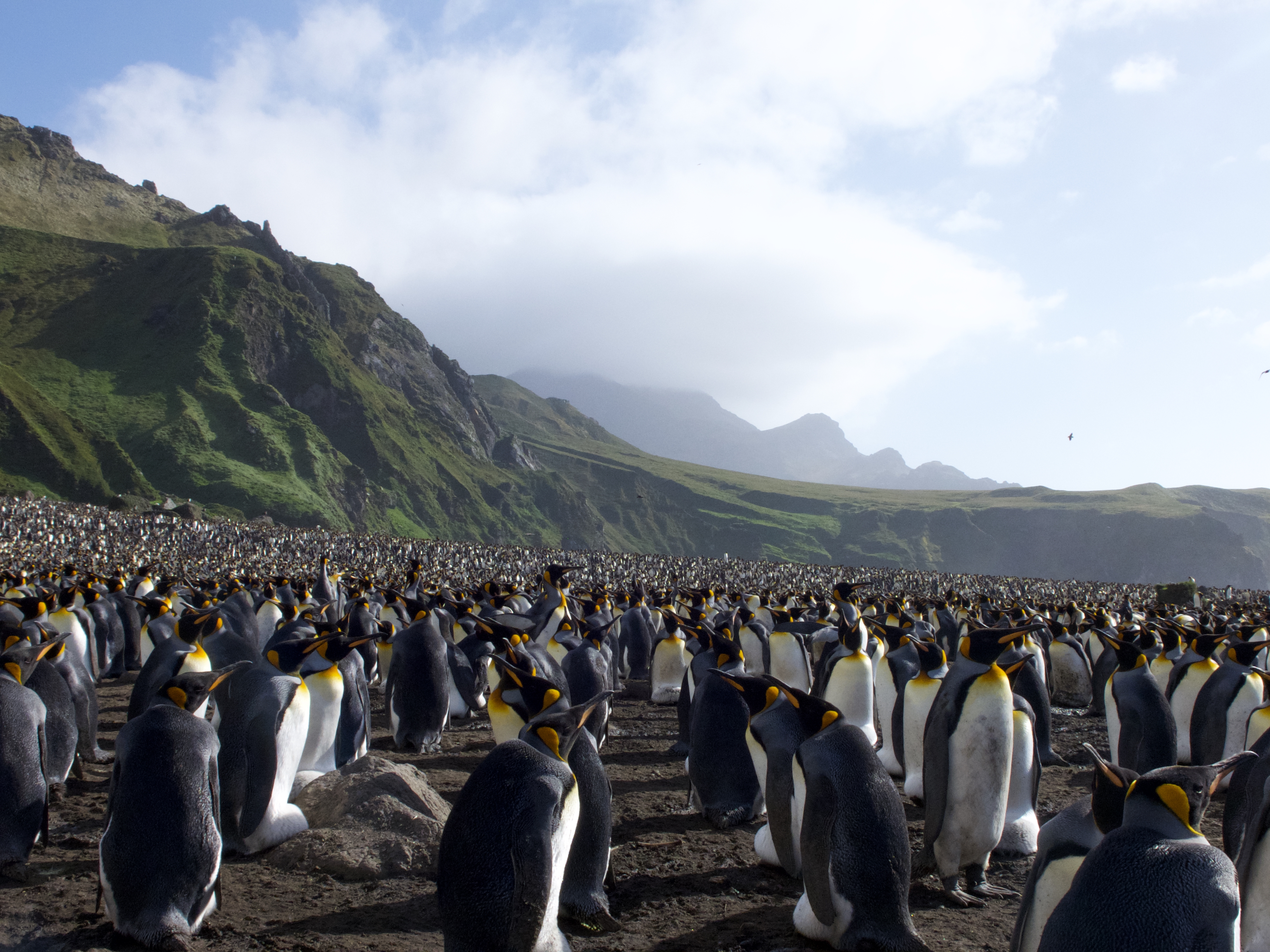
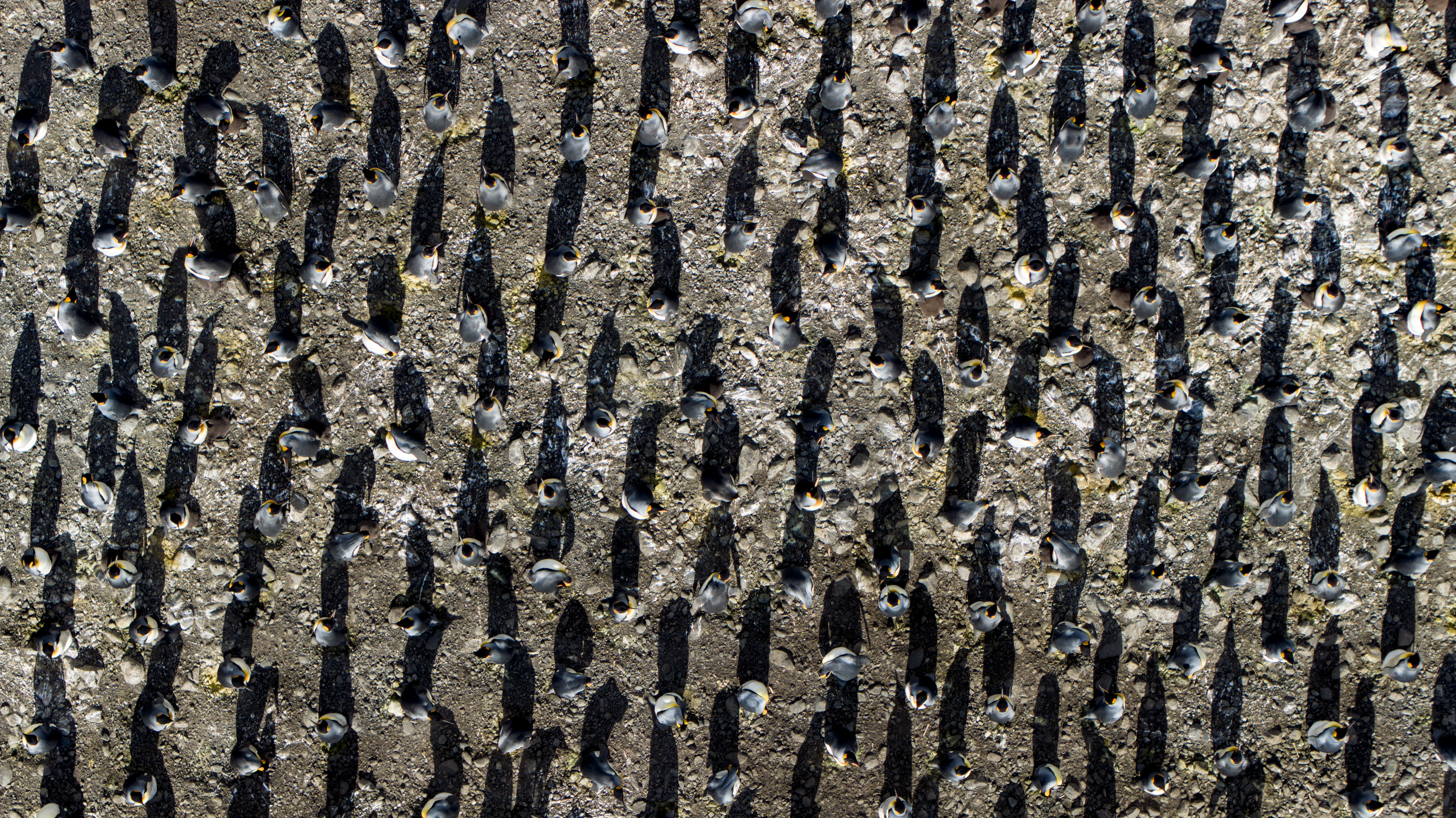
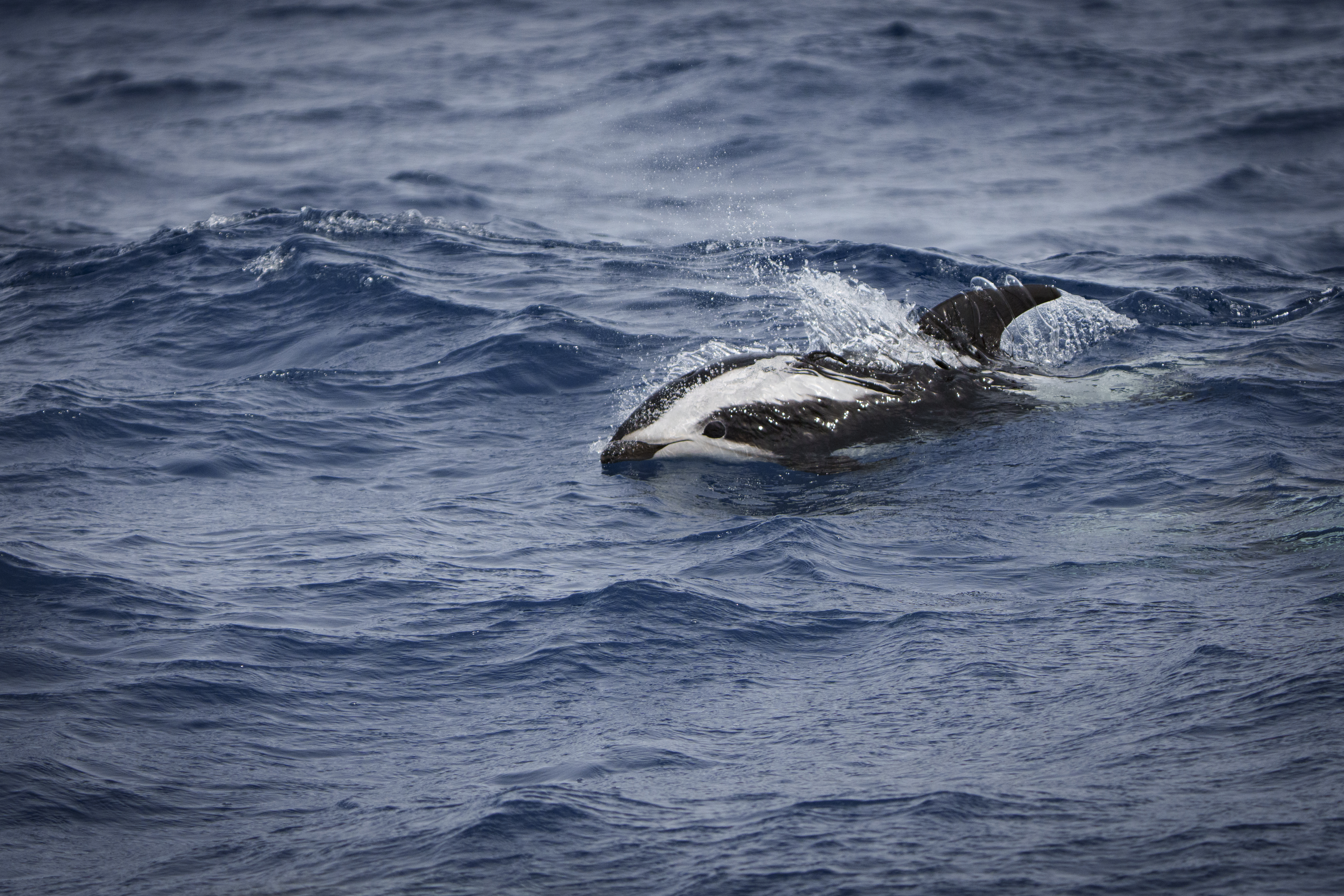
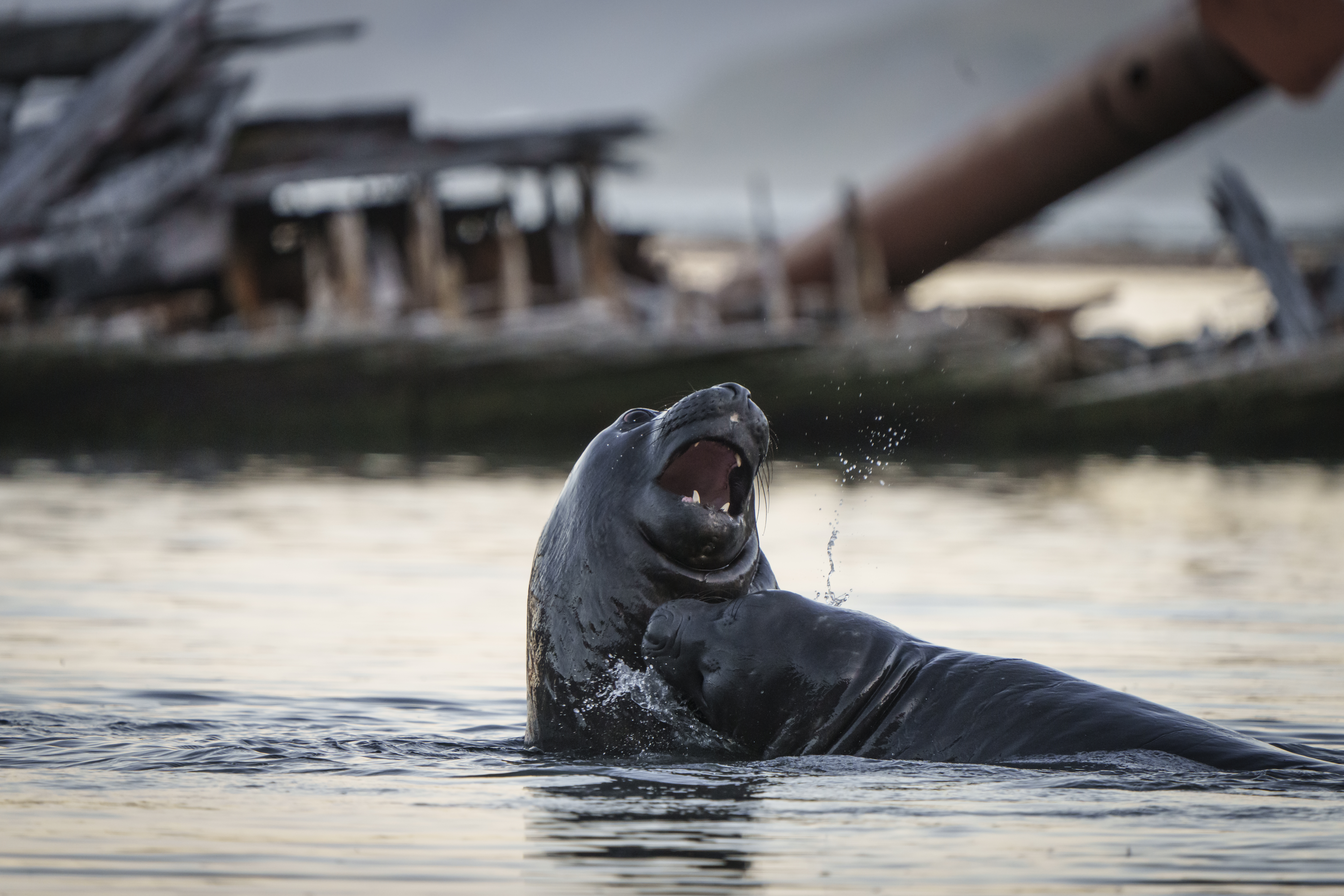
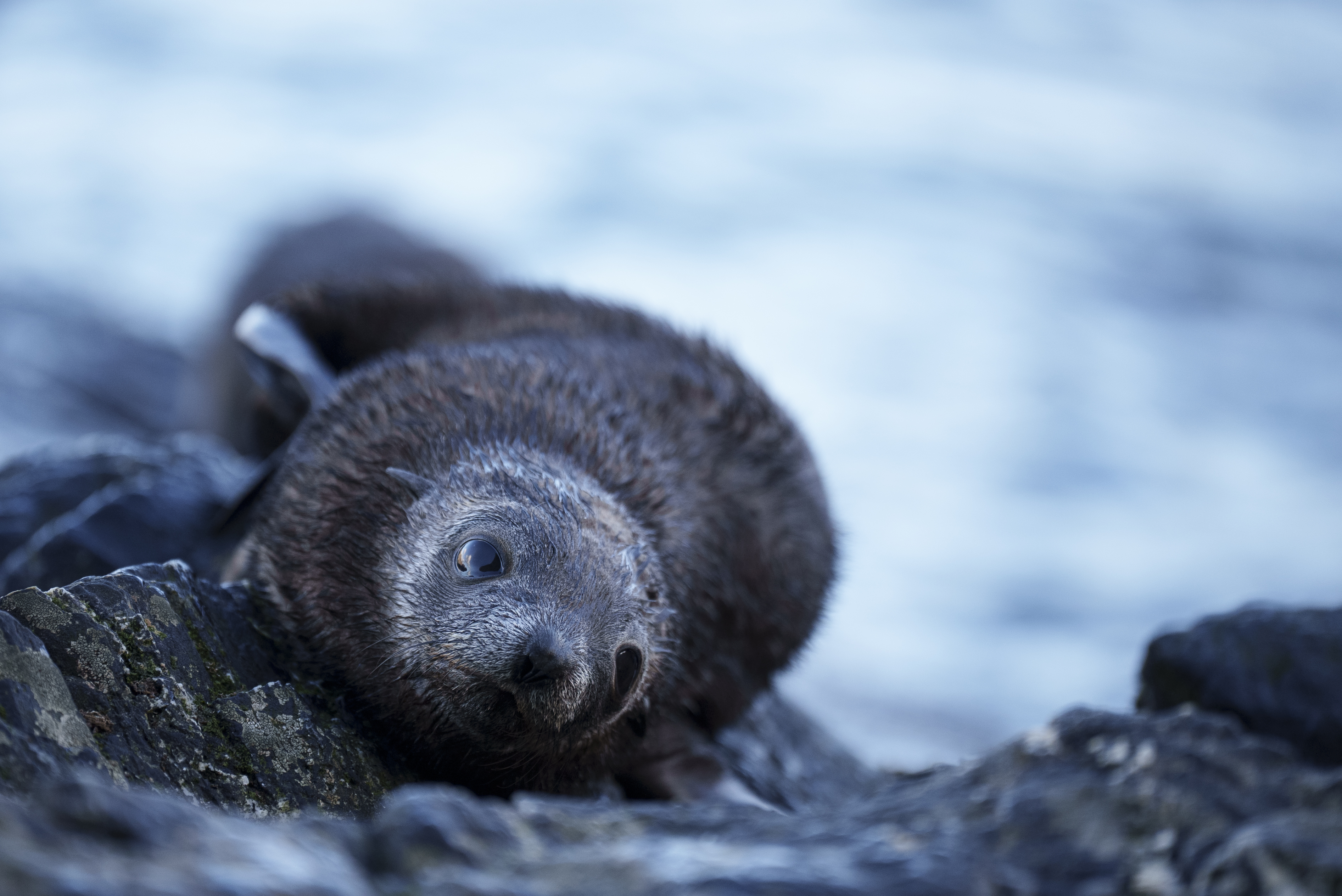
On remote Southern Ocean islands, scientists unravel mysteries of thriving and vanishing species, revealing how human impact shapes wildlife survival.
You are currently viewing a placeholder content from YouTube. To access the actual content, click the button below. Please note that doing so will share data with third-party providers.
More InformationSomething strange is happening, thousands of miles from the nearest landmass, on isolated volcanic islands in the so-called “Roaring Forties”. Certain animals are thriving while others are disappearing for mysterious reasons.
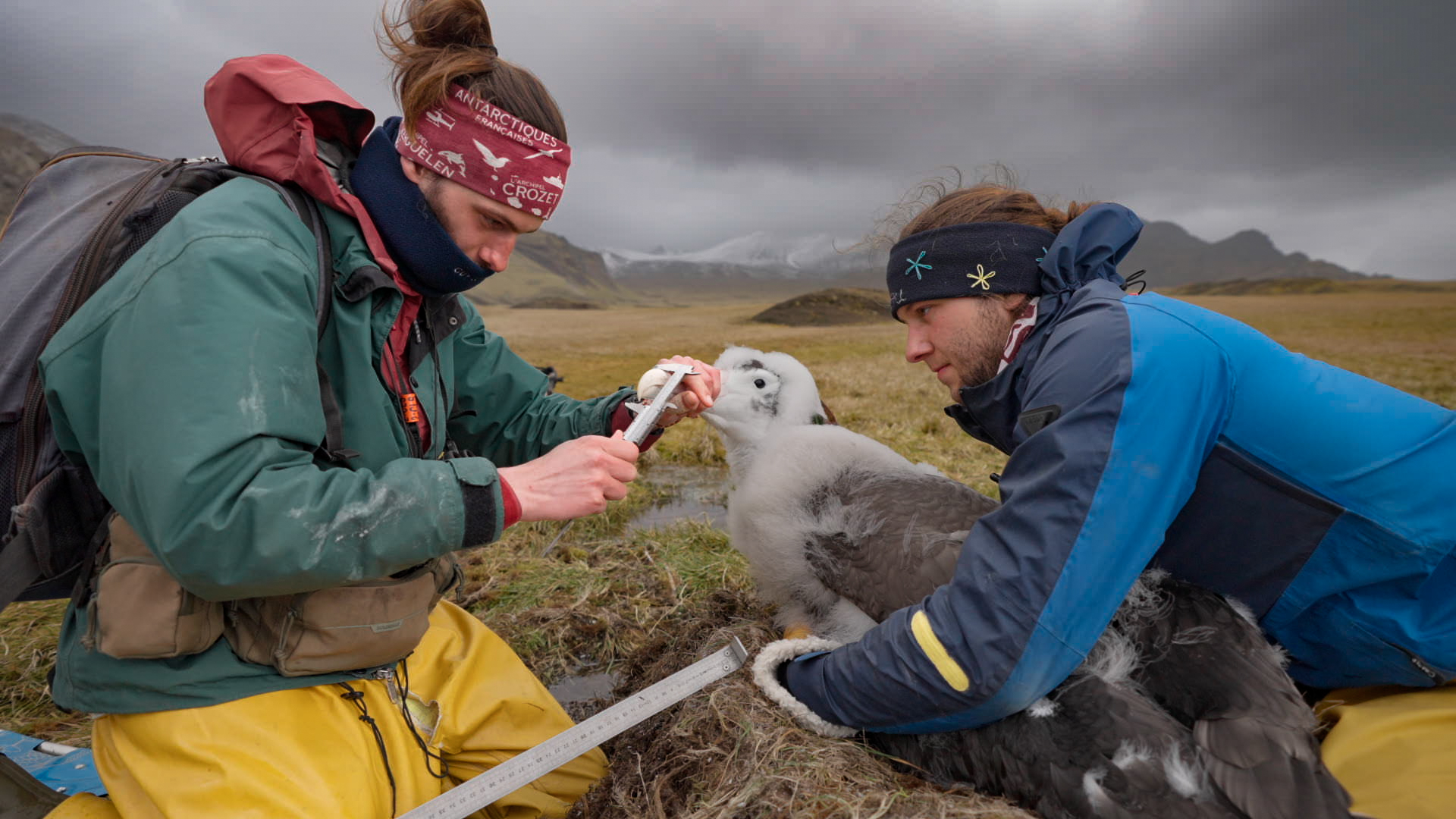
To solve this riddle, mammal and bird specialists set up camp on these rugged islands that are constantly lashed by the southern Indian Ocean lows in order to place an array of tagging devices on penguins, elephant seals, albatrosses, orcas and other large animals. The resulting data reveals a number of unexpected consequences of human activity that affect the birth and survival rates of ocean wanderers. Some scientists propose and implement a range of remedies.
Style
Studies of population dynamics can make great television!
The recipe is simple: take the rarely filmed but scenic locations of Crozet and Kerguelen islands, focus on charismatic and large animals in a pristine environment, and set up a riddle focussing on their mysteriously dwindling or thriving populations.
Next, add some spectacular animal behavior shots filmed with the latest UHD equipment; show scientists as CSI investigators/vets but make sure they only speak off-camera while attaching their hi-tech tags to animals; transform the data into spectacular 3D graphics; reveal a complex set of causes linked to human activity; end on a positive note (to show that there are some remedies for the mess we have created) and finally demonstrate that, with a little bit of care, nature can be resilient.
Episode 1: Birds
Since permanent research bases were established on the islands of Crozet and Kerguelen in the 1950s, ornithologists have been able to observe population variations in several species of seabirds that have adapted to life in the stormy Southern Indian Ocean.
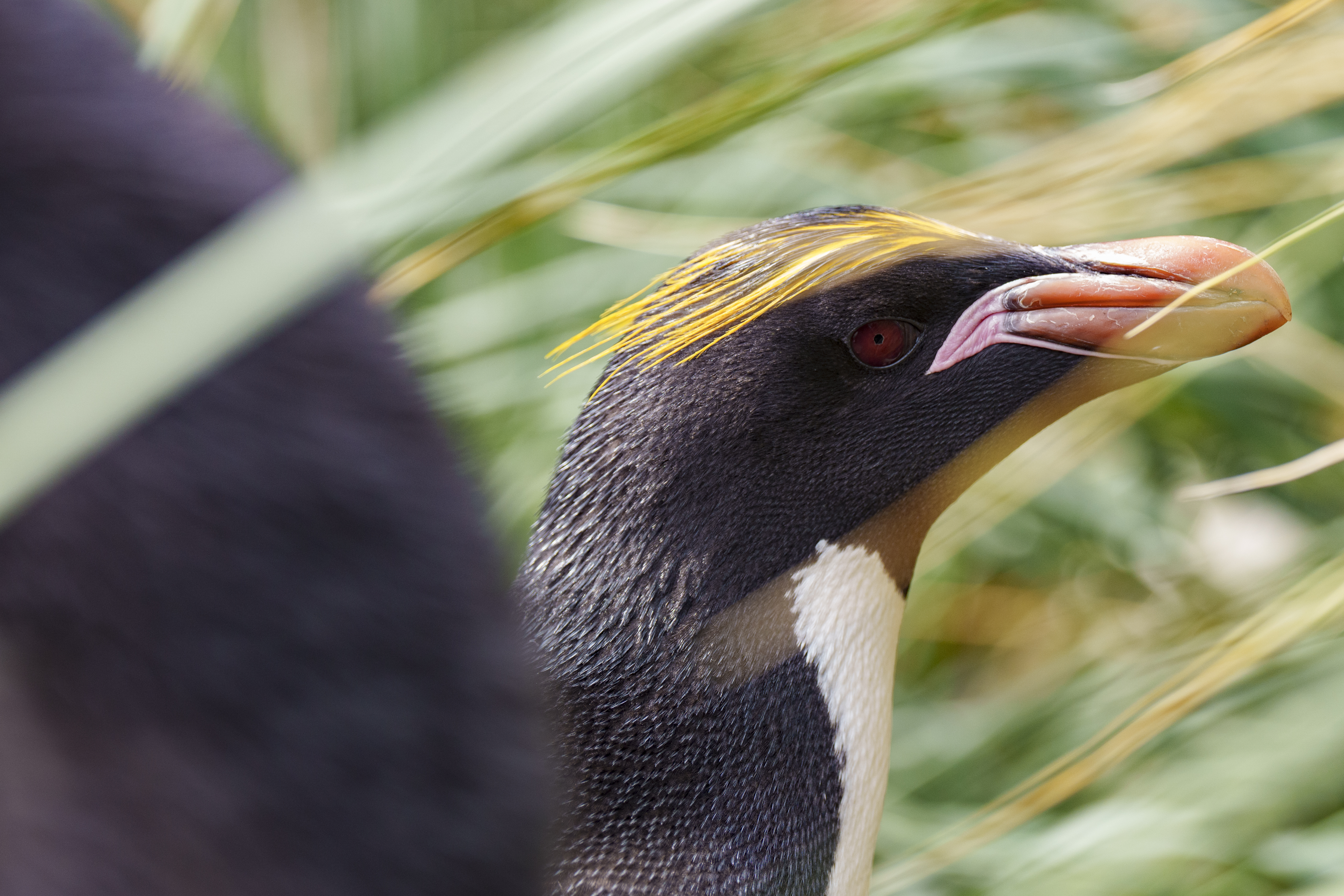
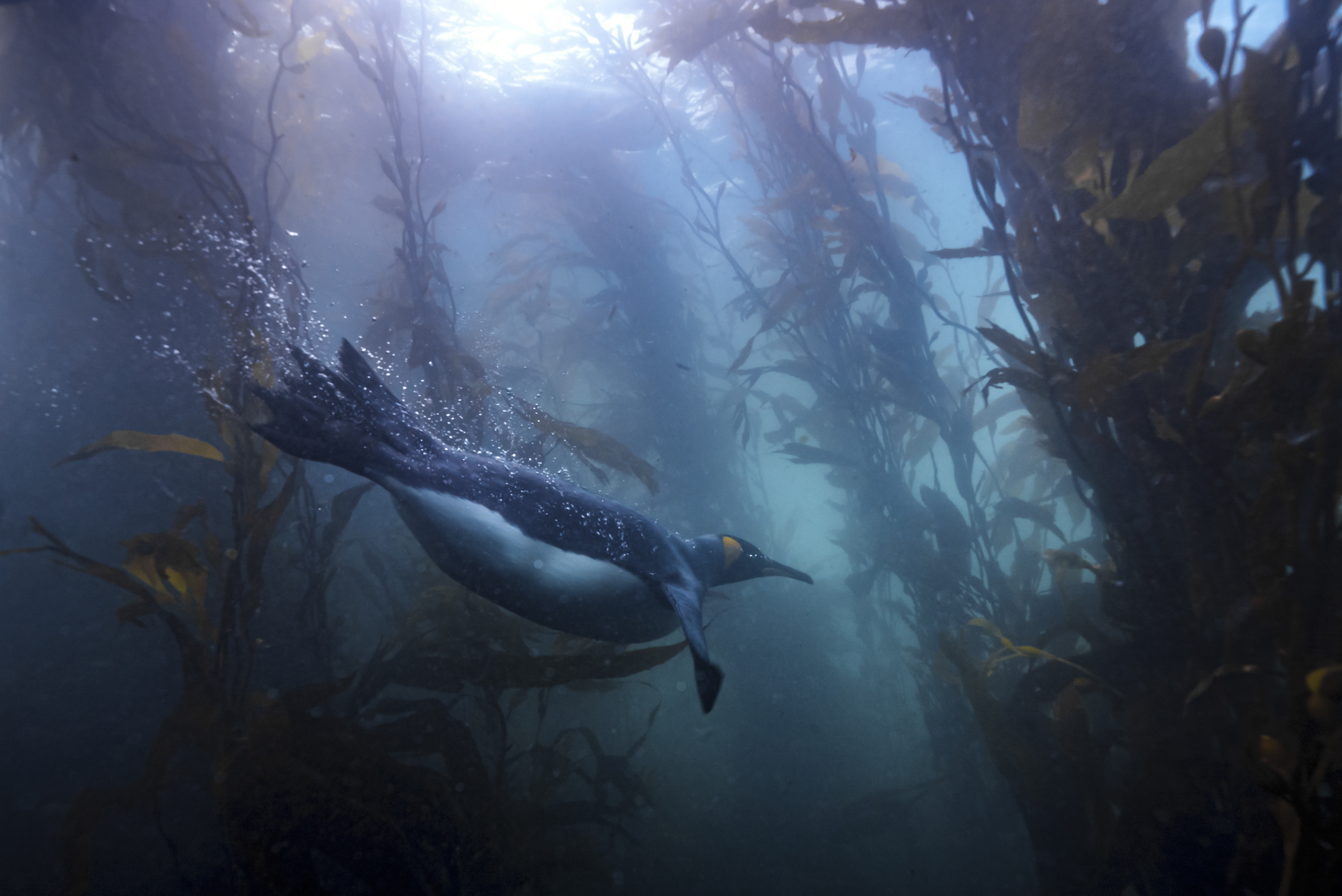
From immense wandering albatrosses to tiny gentoo penguins, from petrels to sheathbills, each species is closely monitored – and even more intently since the islands became national parks. With varying degrees of success, scientists are trying to explain the changes that have been observed… and are investigating to determine a cluster of lethal causes that lead to “excess mortality”.
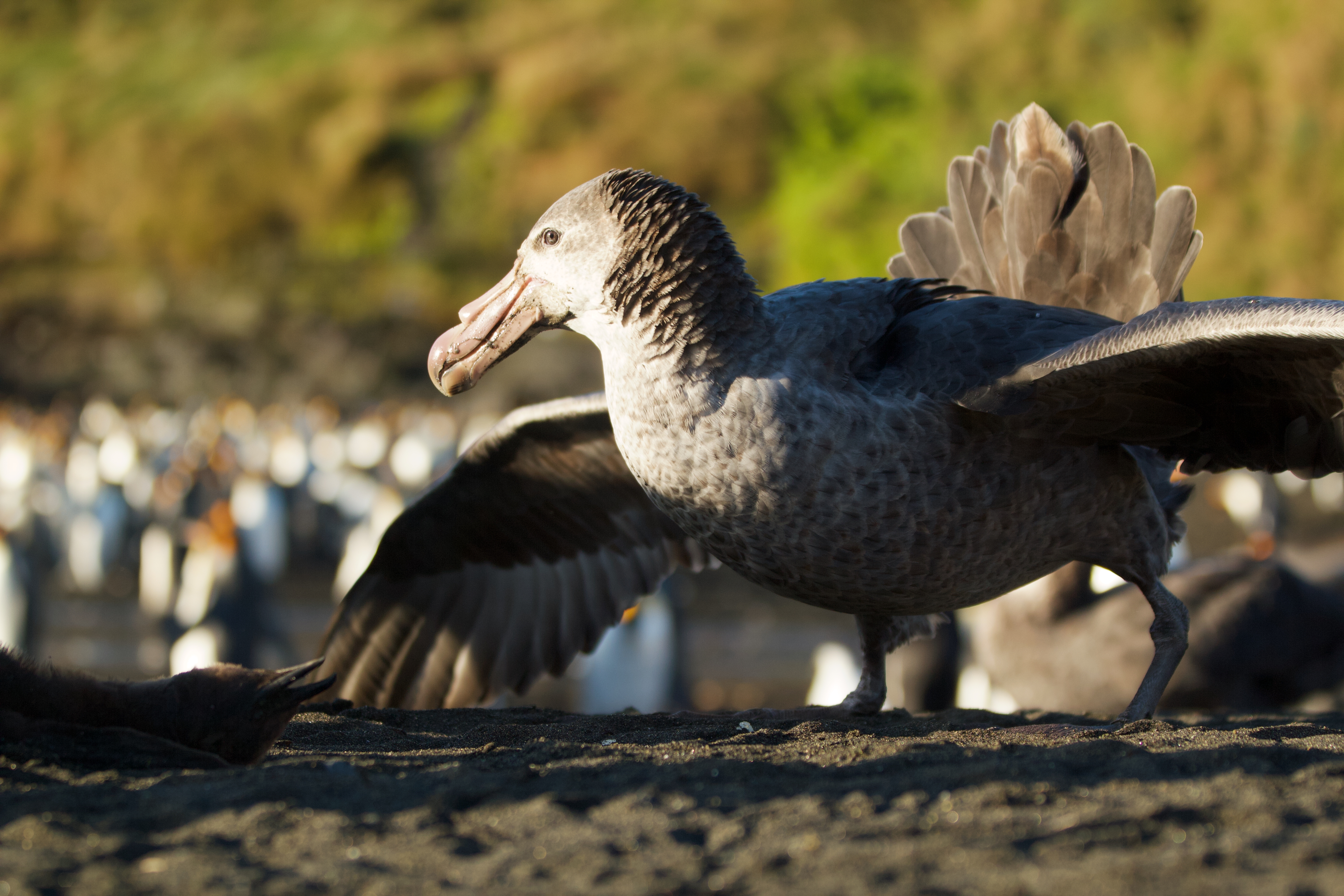
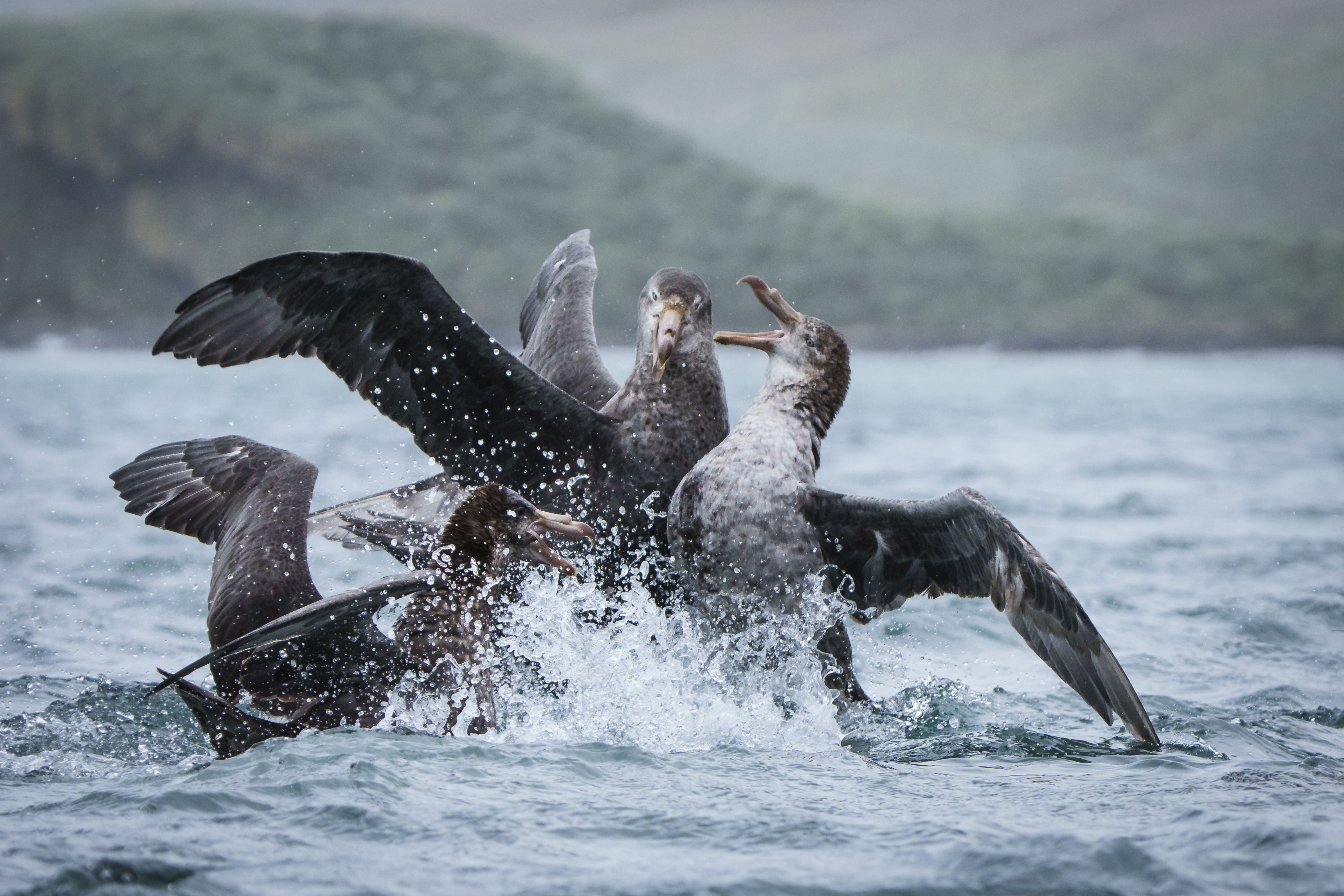
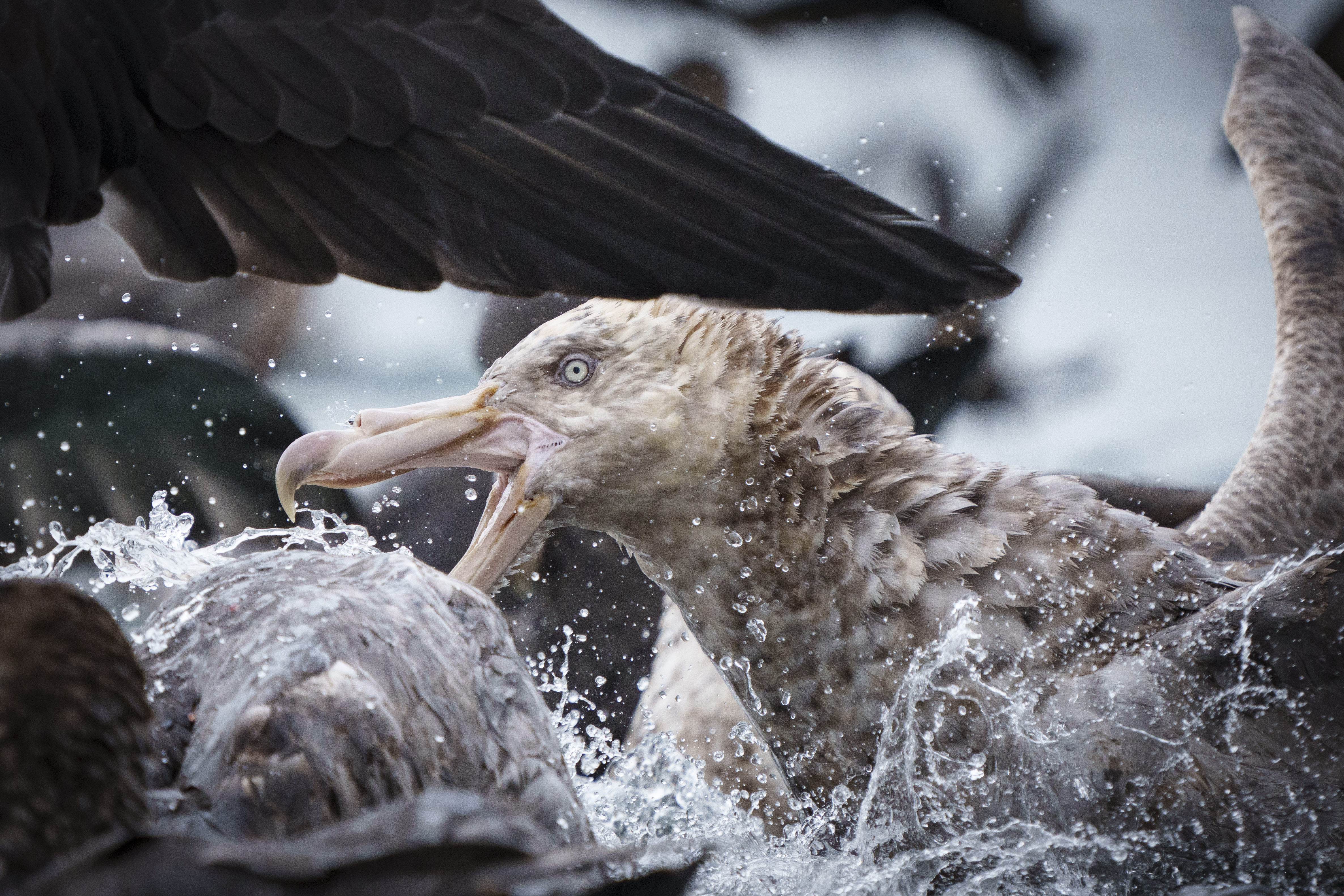
Wandering albatross and white-chinned petrel populations have halved since the beginning of longline fisheries; gentoo penguin populations are dwindling in Crozet but increasing in Kerguelen; many giant petrel chicks starve to death in the nest, while sheathbills and sooty albatross eggs are eaten by rats. Having identified the problems, scientists suggest a number of solutions.
Longliners can be modified so that their lines are not visible to birds when they are deployed so that white-chinned petrels don’t drown trying to catch the bait on hooks; fishing boats can be equipped with nets so that giant petrels don’t get caught on hooks when the lines are hauled back onboard. Anti-rodent poisoning campaigns eliminate all rodents on isolated islands, saving the lives of millions of birds like sheathbills, as well as sooty and black-browed albatrosses.
When these simple mitigation measures are put in place, the populations bounce back! Giant petrels should benefit from the growing number of elephant seal carcasses and fishing mitigation measures, but many of their chicks still don’t reach adult size… ornithologists are now setting up round-the-clock monitoring cameras as well as weekly weigh-ins for the chicks to try to understand this final riddle.
Episode 2: Mammals
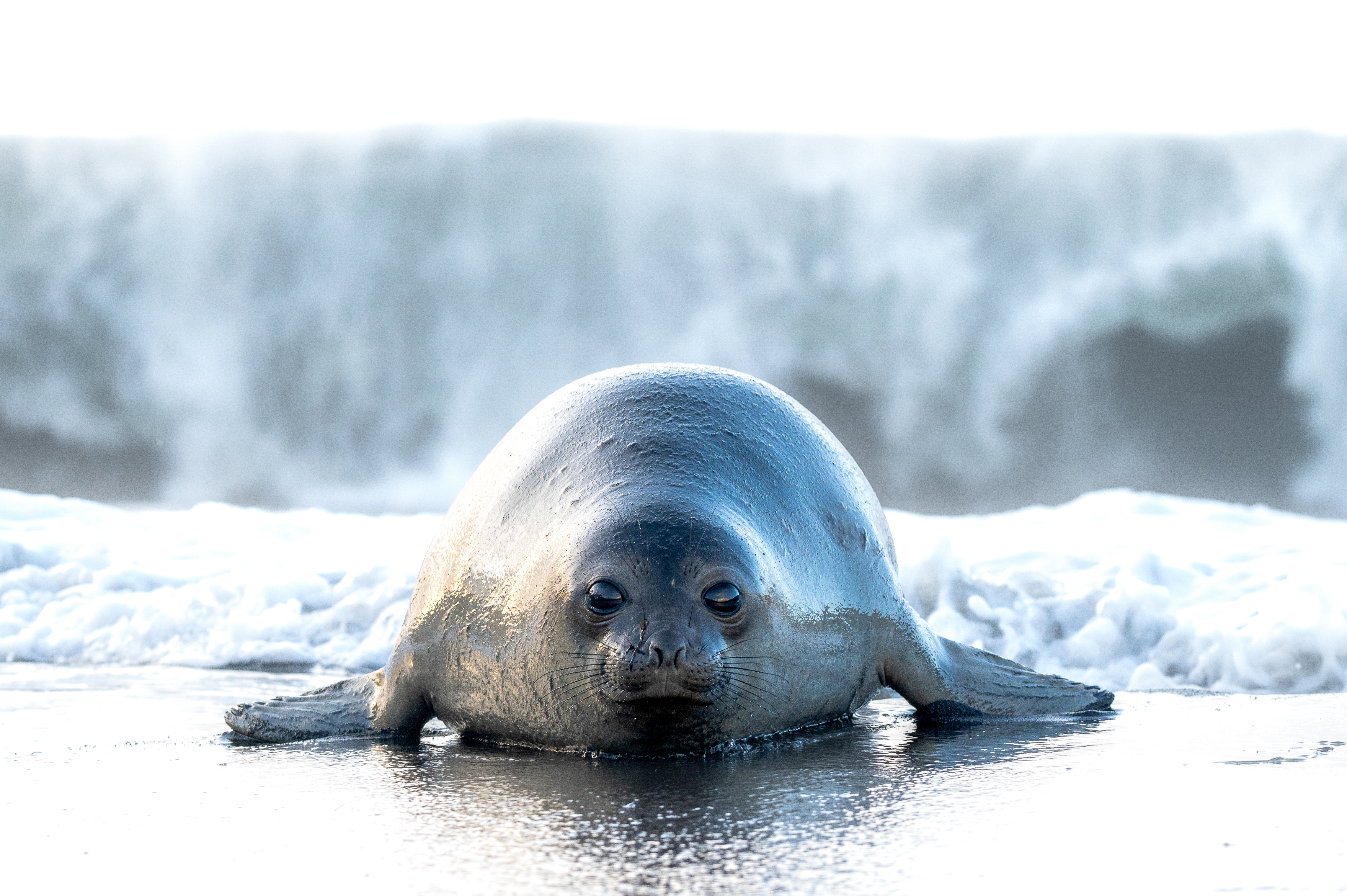
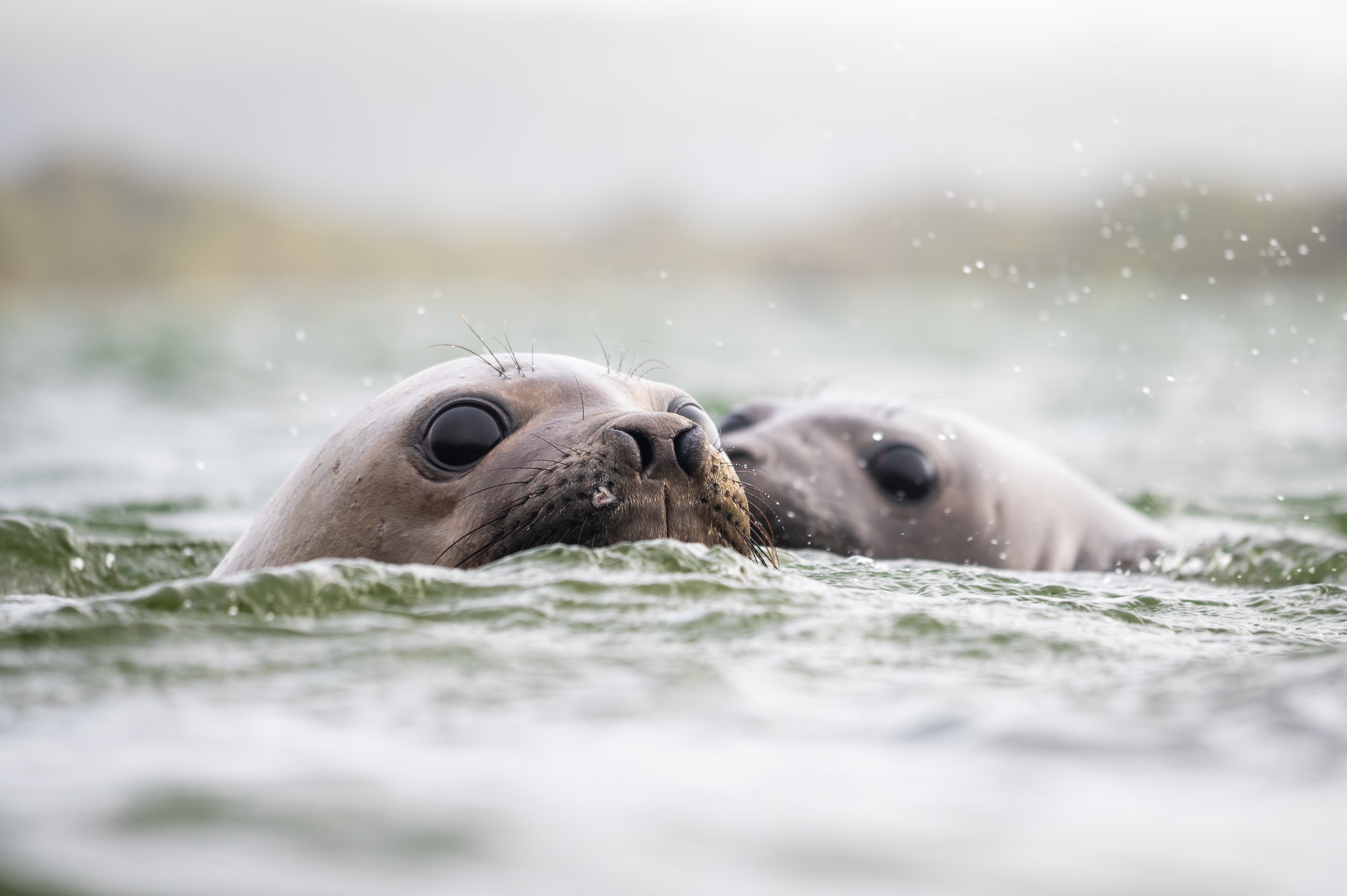
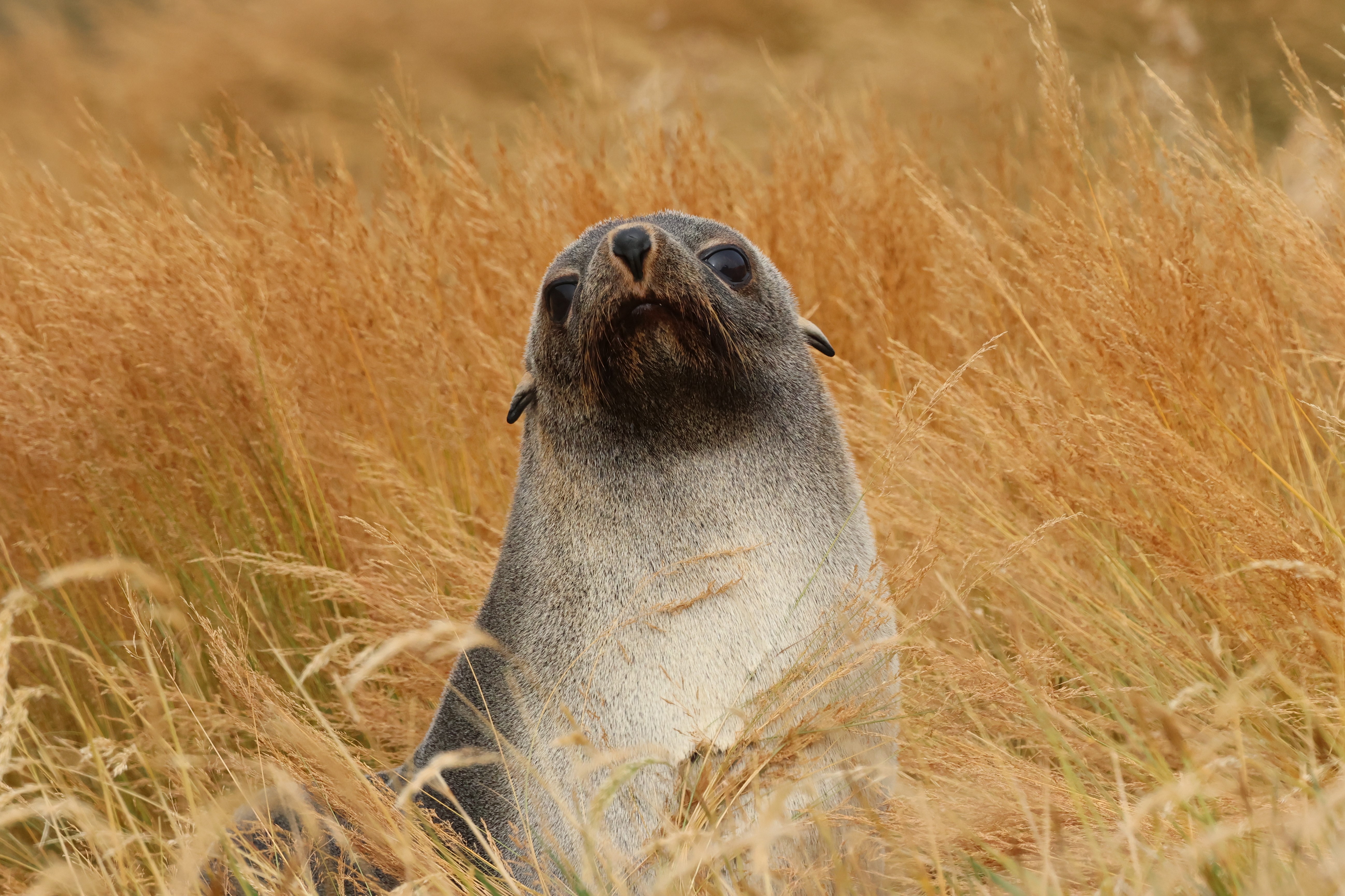
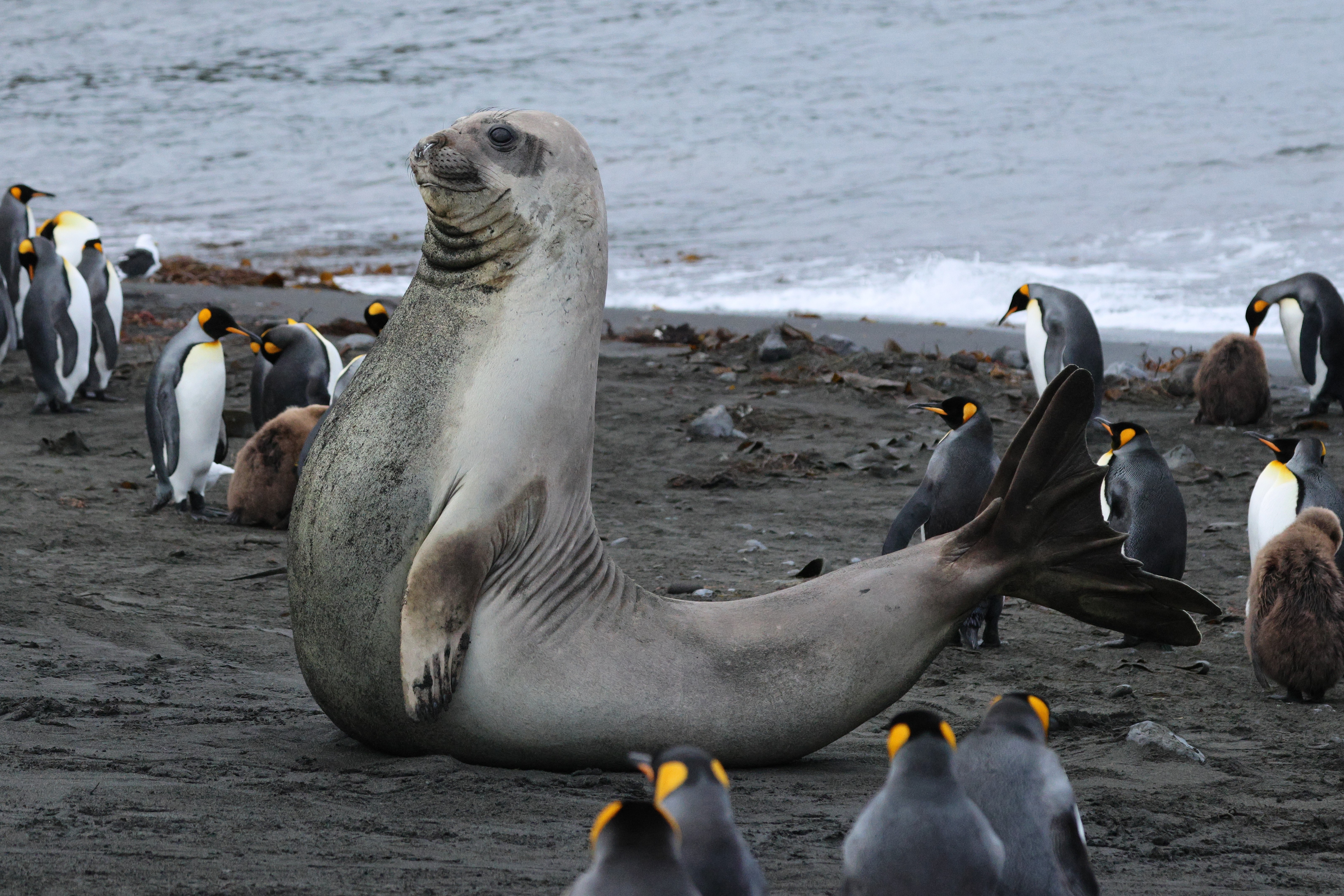
Fur seals and elephant seals are mammals that live in the stormy seas of the Southern Ocean and haul out on the scattered volcanic islands in order to give birth. This behavior has allowed scientists to conduct annual population studies for more than half a century. They have noted strange fluctuations: fur seal populations grow steadily by almost 20% from one year to the next, yet elephant seal populations declined rapidly until the late 1990s, before rebounding strongly. It is difficult to correlate these changes with those of the ocean’s top predators, orcas. From one island to another, their feeding habits have adapted so that they feed on elephant seals in one place and fur seals in another.
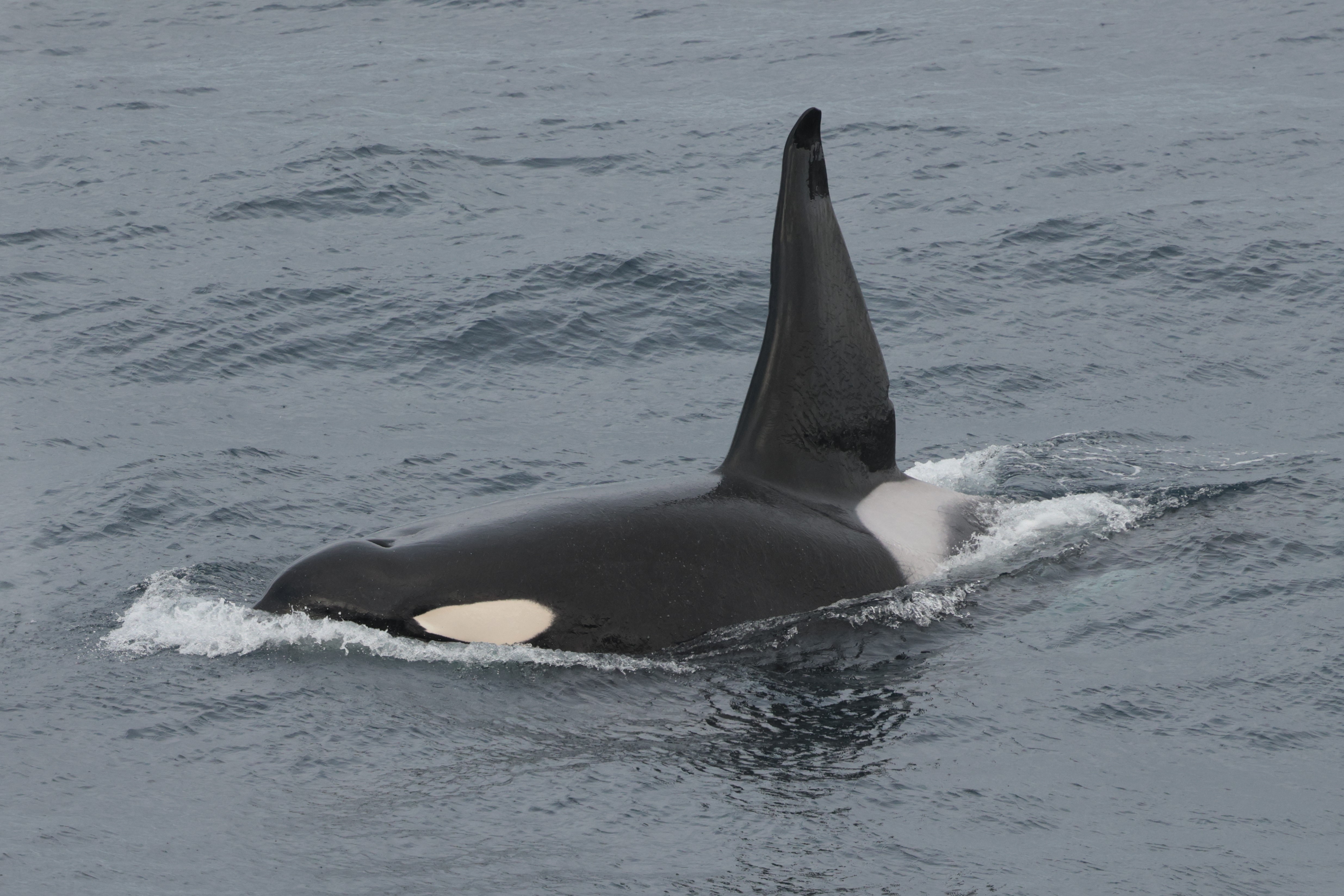
A paradox remains: orca populations declined dramatically at the same time as elephant seals. To solve this mystery, scientists are equipping the mammals with high-tech tags to analyse their movements and feeding habits. They could easily correlate the regulation of the fishing industry responsible to the orcas’ population dynamics: when fishing was unregulated, the orca population (more than 120 individuals around Crozet) halved. But since 1999, fishing observers placed onboard every single vessel and strong military enforcement prevented illegal activity and the use of explosives against orcas who learned to steal fish from the longliners’ hooks. Their birth-rate exploded, but the population plateaued at levels which were below the pre-fishing era.
Thanks to geo-positioning data-loggers nicknamed Limpet tags, scientists realized that some orcas were venturing into fishing areas outside the Crozet’s EEZ and into unregulated international waters: this means that fishermen could still use lethal explosives against orcas unless new regulation of international waters is finally implemented. Close to shore, orcas still beach on volcanic sand to catch elephant seals…whose population has multiplied three-fold since the early 2000s.
Deep-sea data loggers reveal that there is an abundance of sub-Antarctic squid… because their predators, Patagonian toothfish, have been overfished! What about fur seals? Their population has bounced back since sealing came to a halt at the beginning of the 20th century, but now this increase has come to a halt… The investigation continues.
Interested in licensing or footage usage?
Contact us directly.