- Genre
- Conservation
Nature & Wildlife
- Duration
-
2 × 50 min
- Definition
- 4K
- Audio
- 5.1
- Status
- In Production
Discover the fragile bonds between animals, people, and a threatened world.
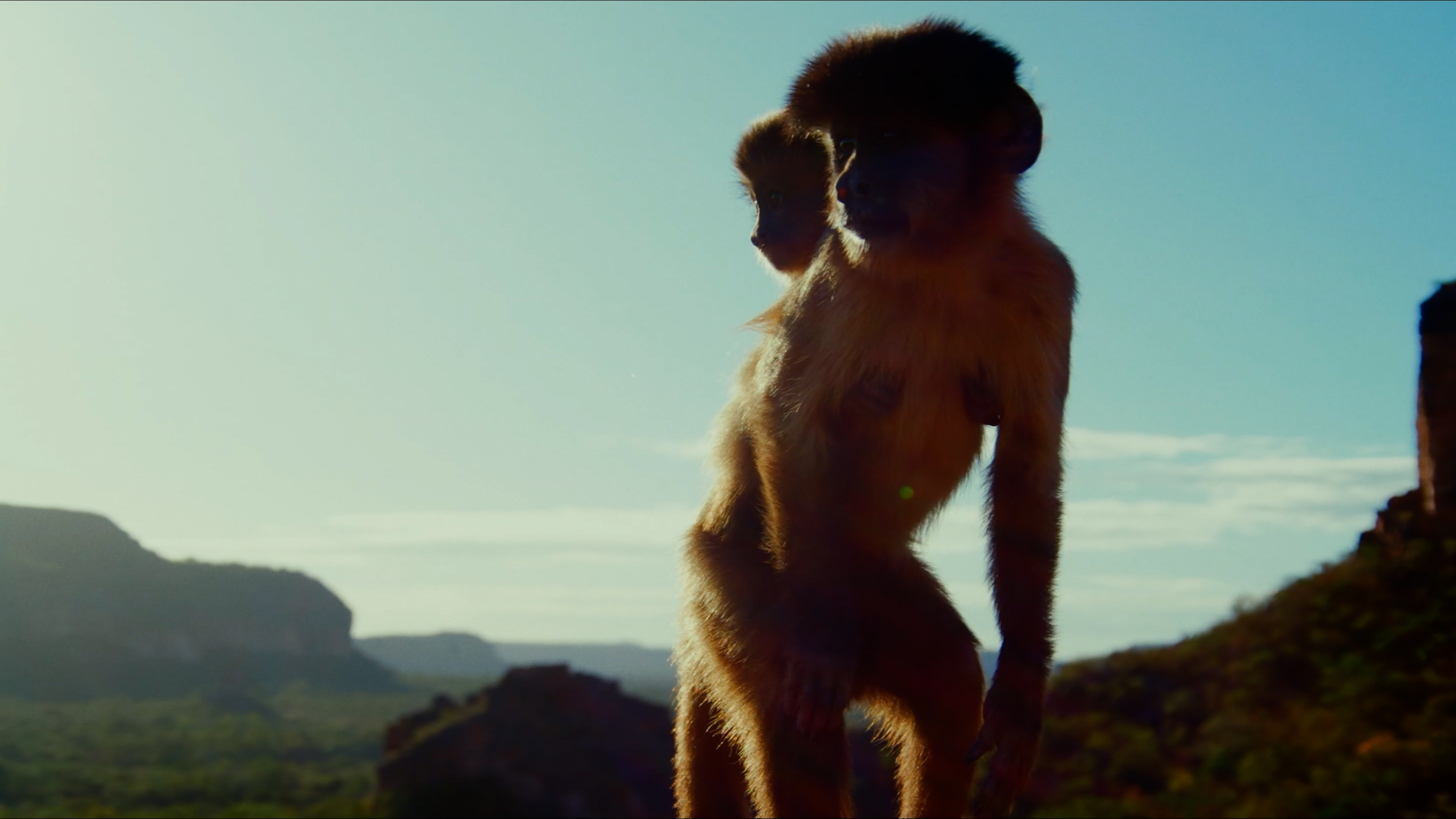
Join us on a fascinating journey to South America, to meet its most iconic wildlife and some dedicated people working to protect them. This two-part documentary showcases dolphins, humpback whales, capucchin monkeys, bedazzling hummingbirds, spectacled bears, manta rays, whale sharks and many more.
WILD SOULS uncovers the complex relationships that sustain life across this biodiverse continent. Part 1 takes us to Peru’s Pacific coast and the Andes. Part 2 ventures into the Amazon and Brazil’s savannah.
Part 1 – PERU
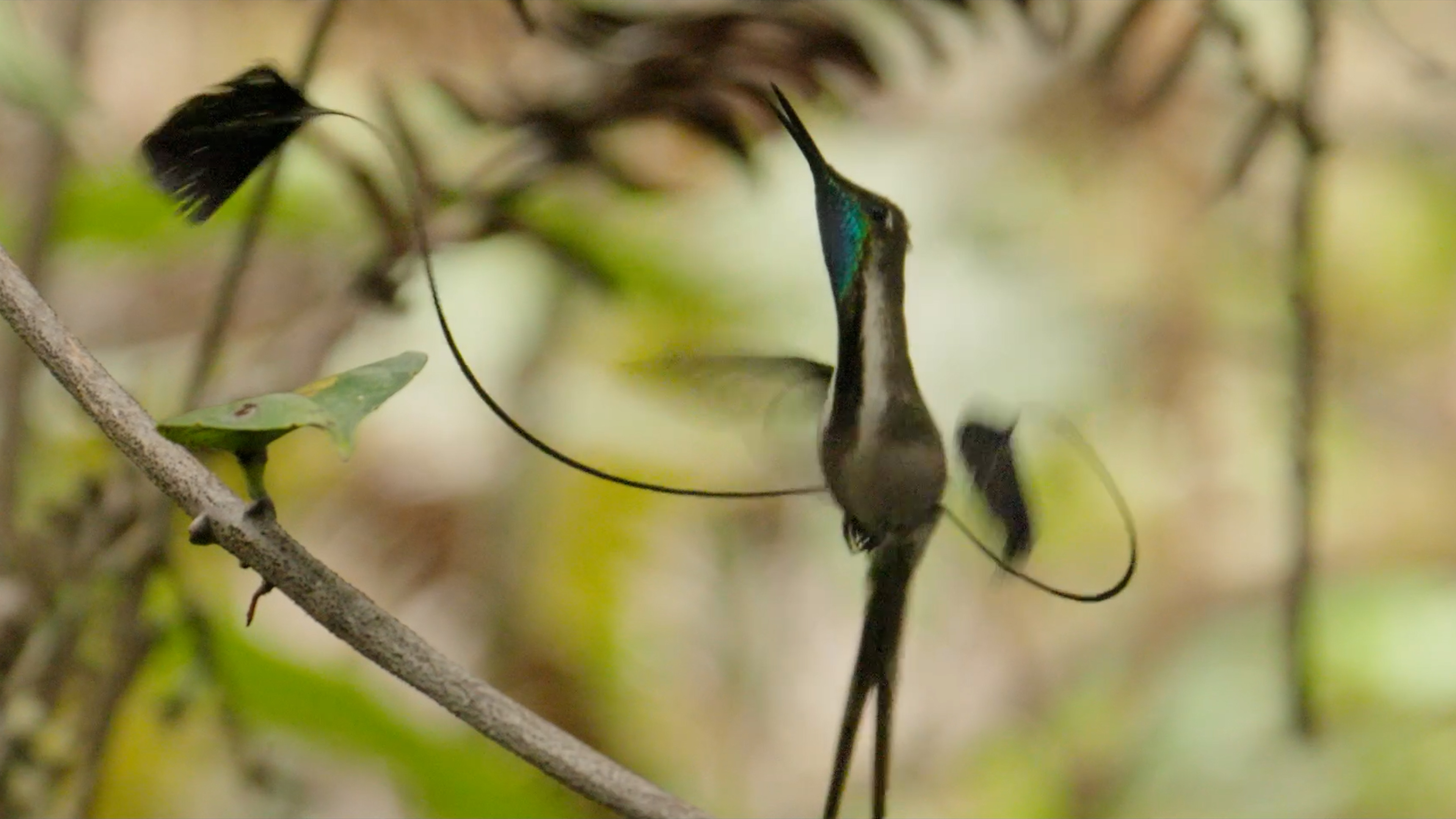
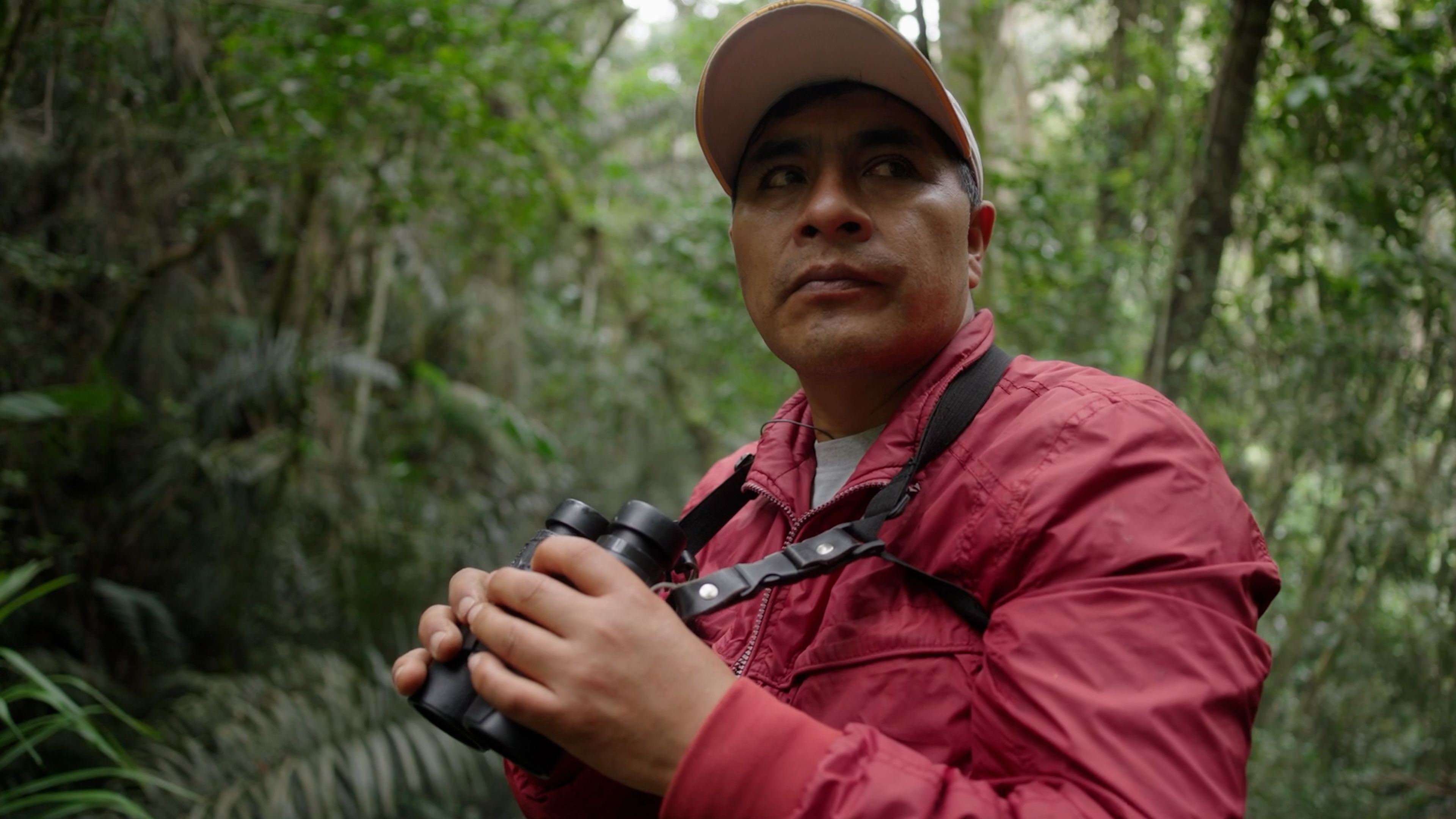
In the eastern Andes, the Marvelous spatuletail dazzles with its violet plumage and long tail feathers. Conservationist Santos Montenegro, inspired by tourist birders, discovers that his ancestral land is home to this rare hummingbird. Santos works to protect the tiny bird‘s threatened habitat. He sets out to find a nesting site in the forest, that also hosts glass frogs, glasswing butterflies, giant moths and night monkeys.
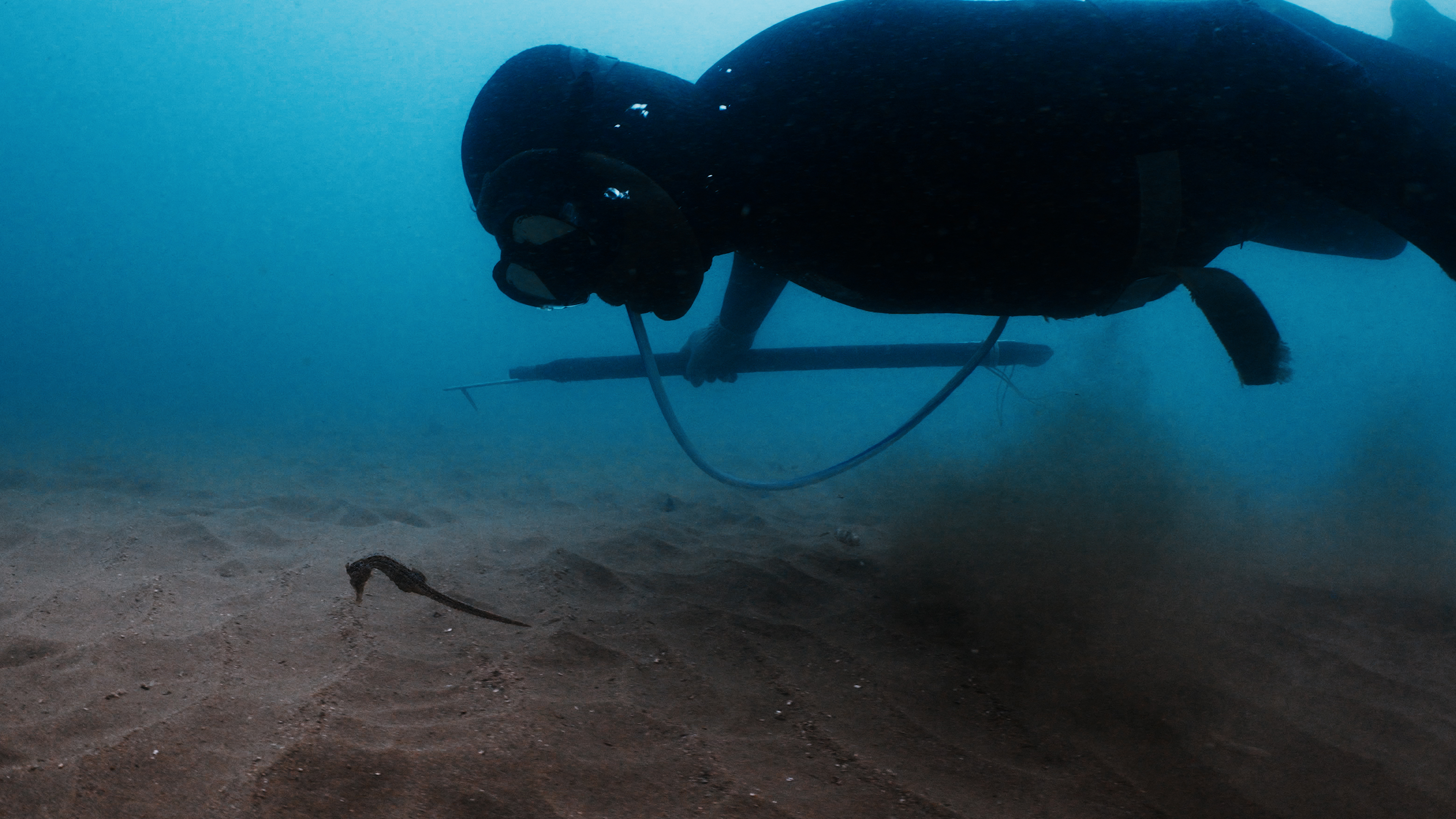
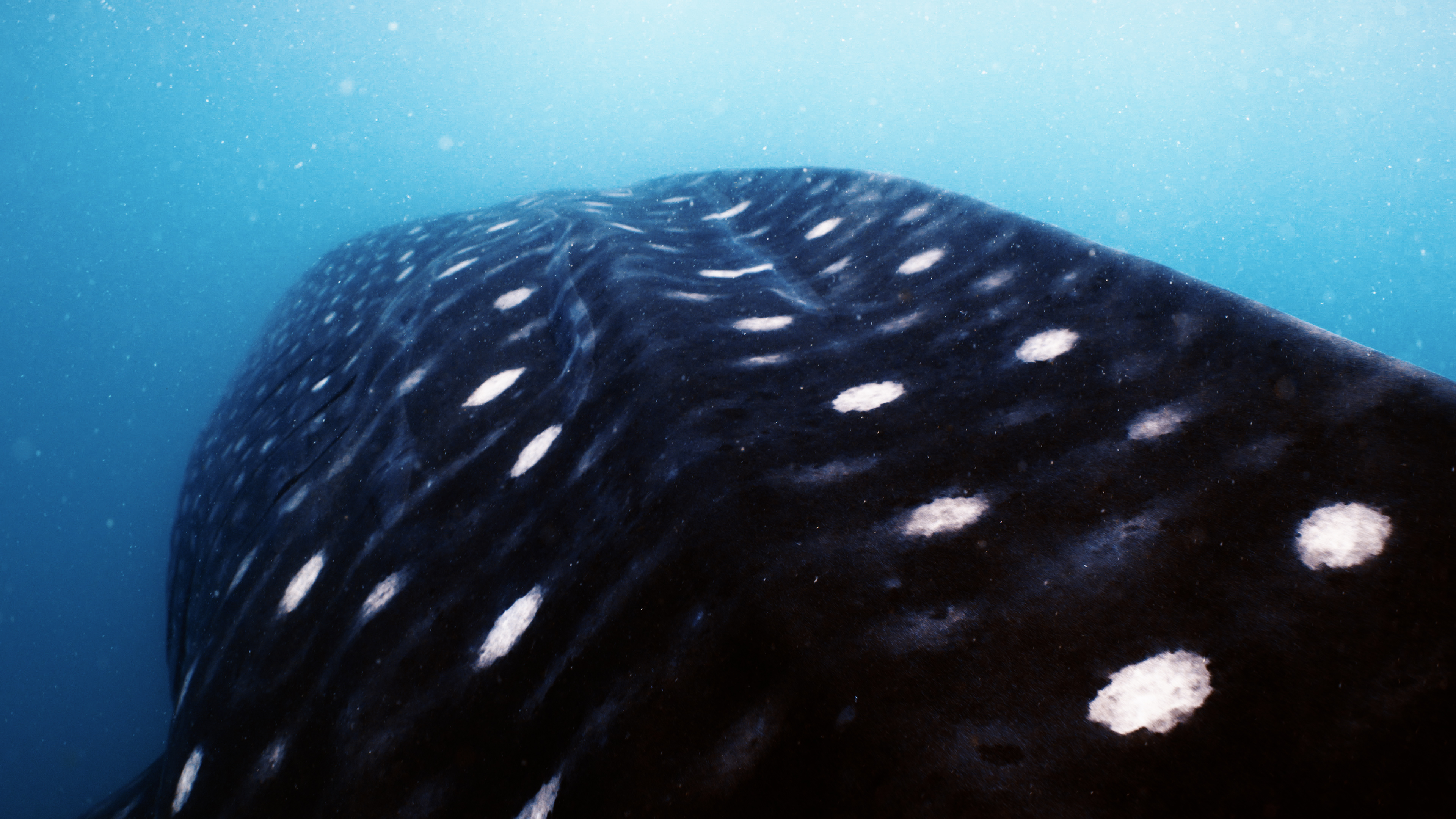
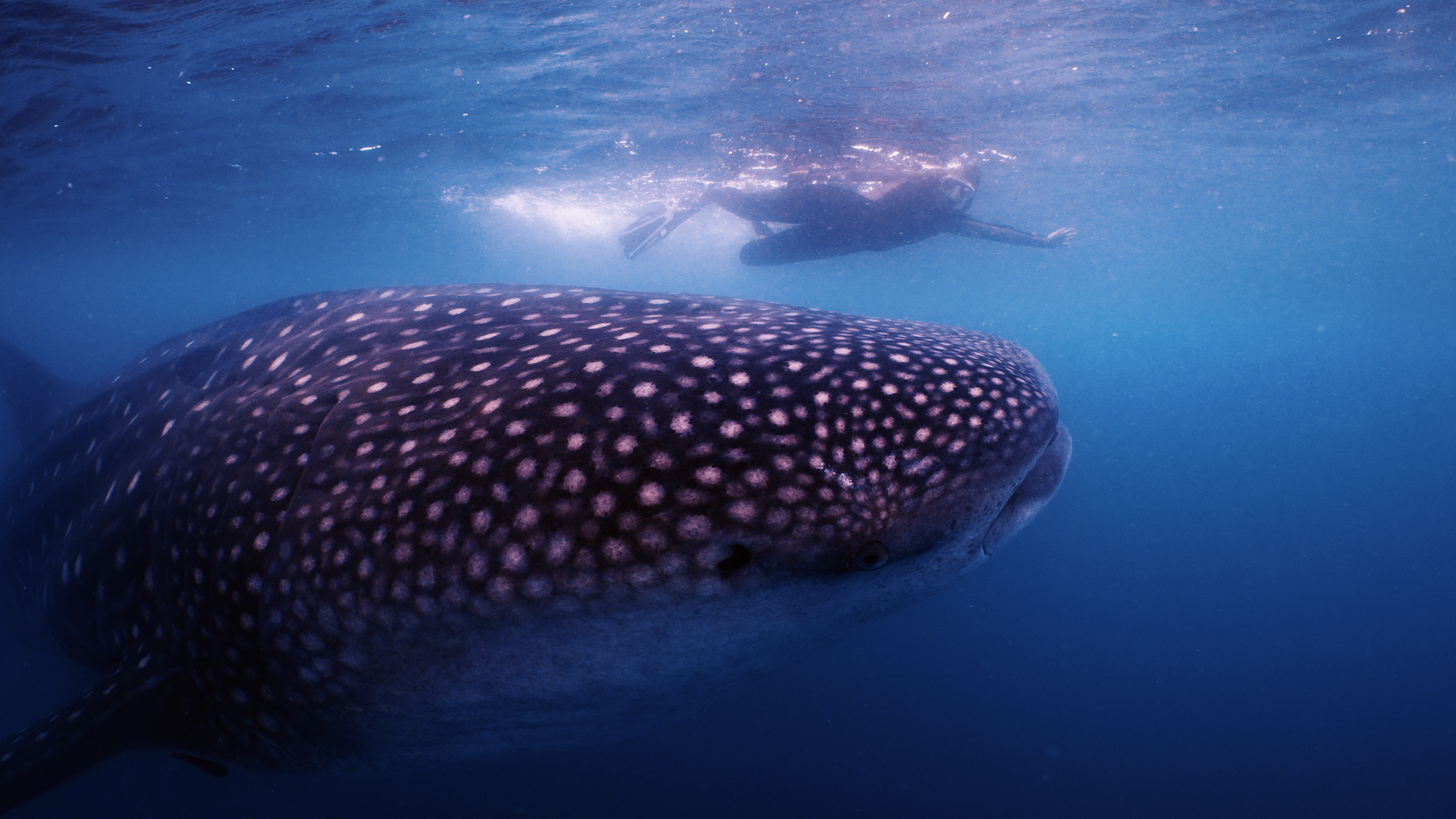
Peru’s northern coast teems with life, thanks to the Humboldt current. Humpback whales, penguins, sea turtles, and swordfish thrive here. The region also harbours one of the world’s largest manta ray populations and massive gatherings of whale sharks. Yet, fishing and oil industries pose serious threats. Marine biologist Alejandra Mendoza Pfennig campaigns for a protected marine area, with surprising support from local fishers.
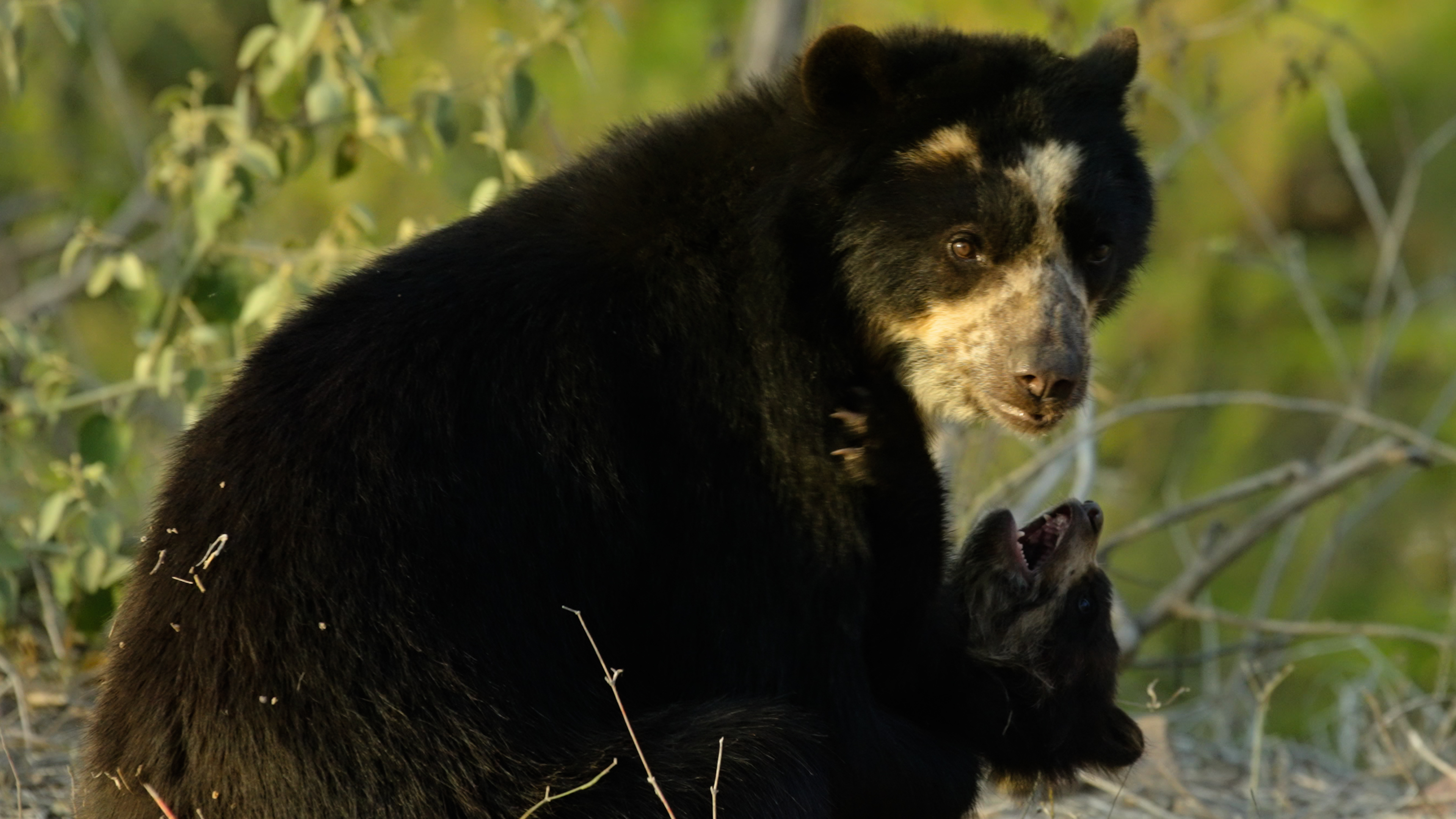
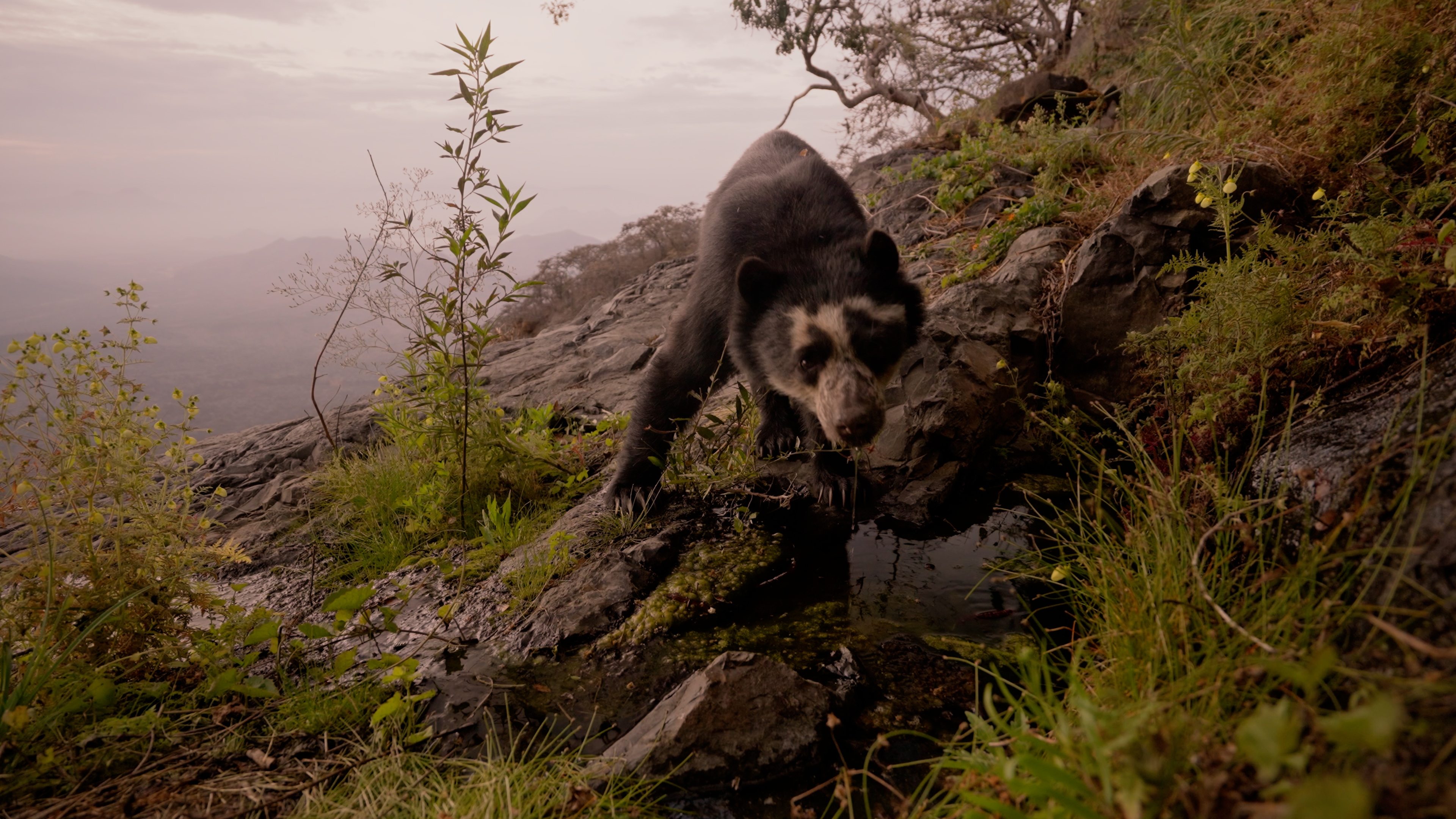
With support from a Peruvian scientist, a local man named Lucas finds a way to safeguard the uplands that supply his village with water. Establishing a private nature reserve would give the community legal standing to resist the mining company. When a rare blonde spectacled bear is sighted in the contested region, Lucas sees a chance to convince his neighbours to support the reserve. Proving the existence of the “Golden Bear” would be a scientific sensation and might garner enough attention to fund the project. Trained as a nature guide, he embarks on a mission to find the bear he once glimpsed through his binoculars.
Part 2 – BRAZIL
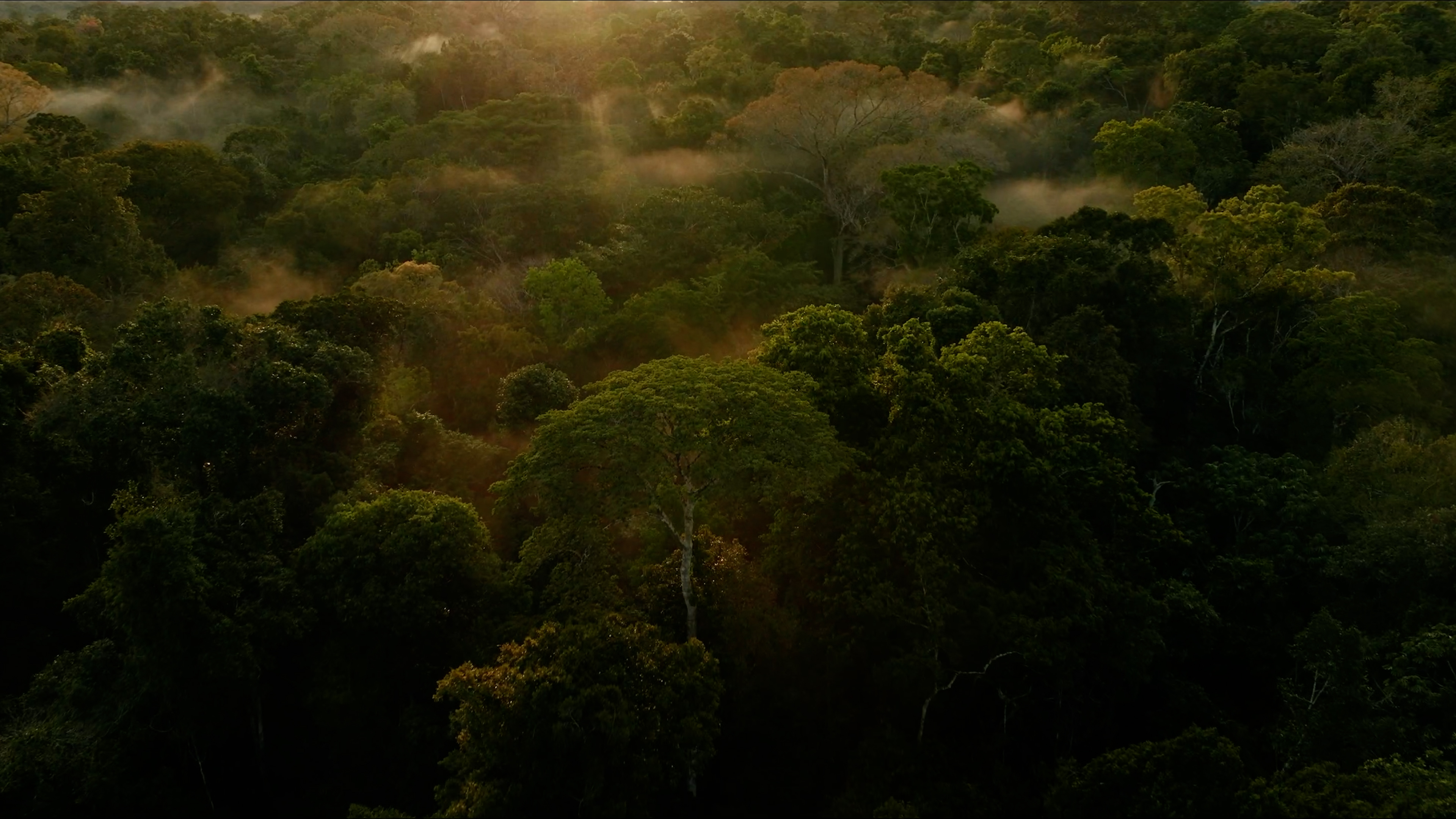
The Amazon rainforest is home to the greatest biodiversity on Earth. Here, no species lives in isolation – each is part of a complex web of interdependence. At the centre of this living network stands one iconic tree: the Brazil nut tree. With its towering, liana-covered trunk, expansive branches adorned with bromeliads and orchids, and most importantly, its nutrient-rich nuts, the Brazil nut tree sustains a vast array of rainforest life.
Only the agouti – a rodent – is capable of opening its hard nuts. The empty shells then serve as nurseries for poison dart frog tadpoles. If they fall into the water, they become ideal cradles for the young of dwarf cichlids. The tree itself relies exclusively on the orchid bee for pollination – a species as demanding as it is rare.
When young Brazil nut farmer Joao begins to understand these delicate connections, he realises what is at stake. Behind his family’s house stretches a forest worth protecting. Only if riverside communities like his preserve their forest and resist loggers and gold miners can they secure the foundation for countless species – from playful capuchin monkeys and leafcutter ants to the majestic harpy eagle, one of the world’s largest birds of prey.
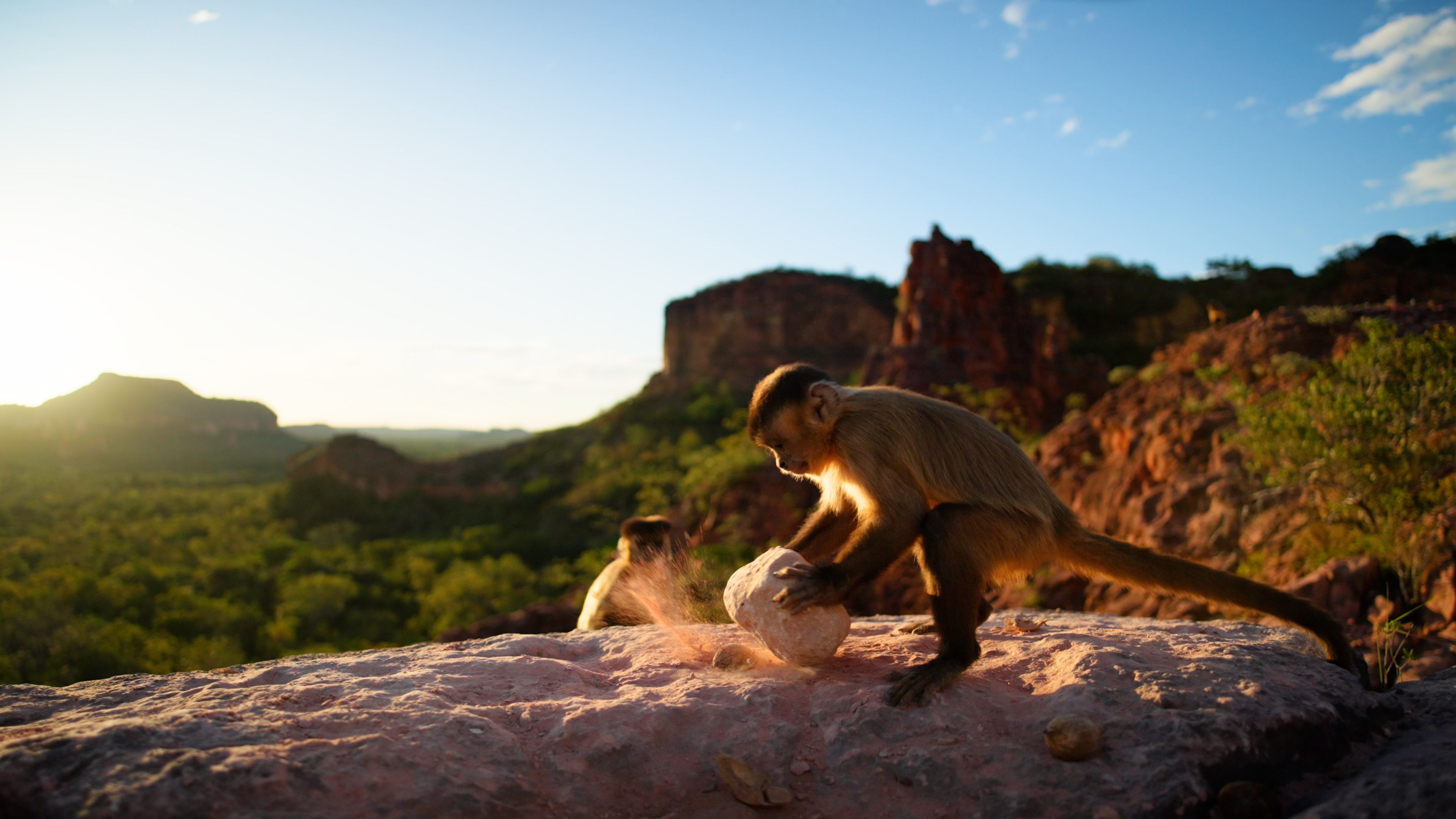
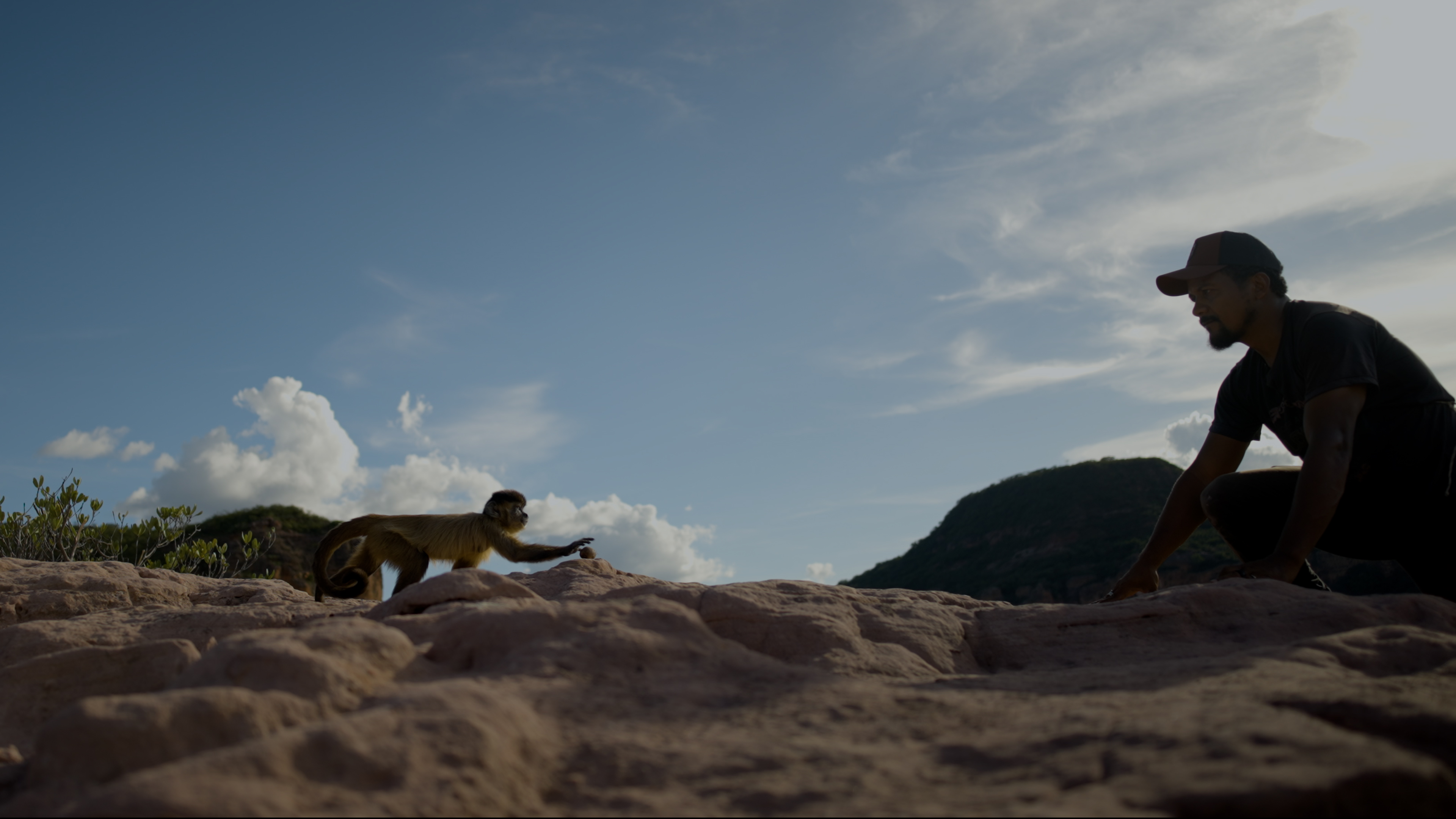
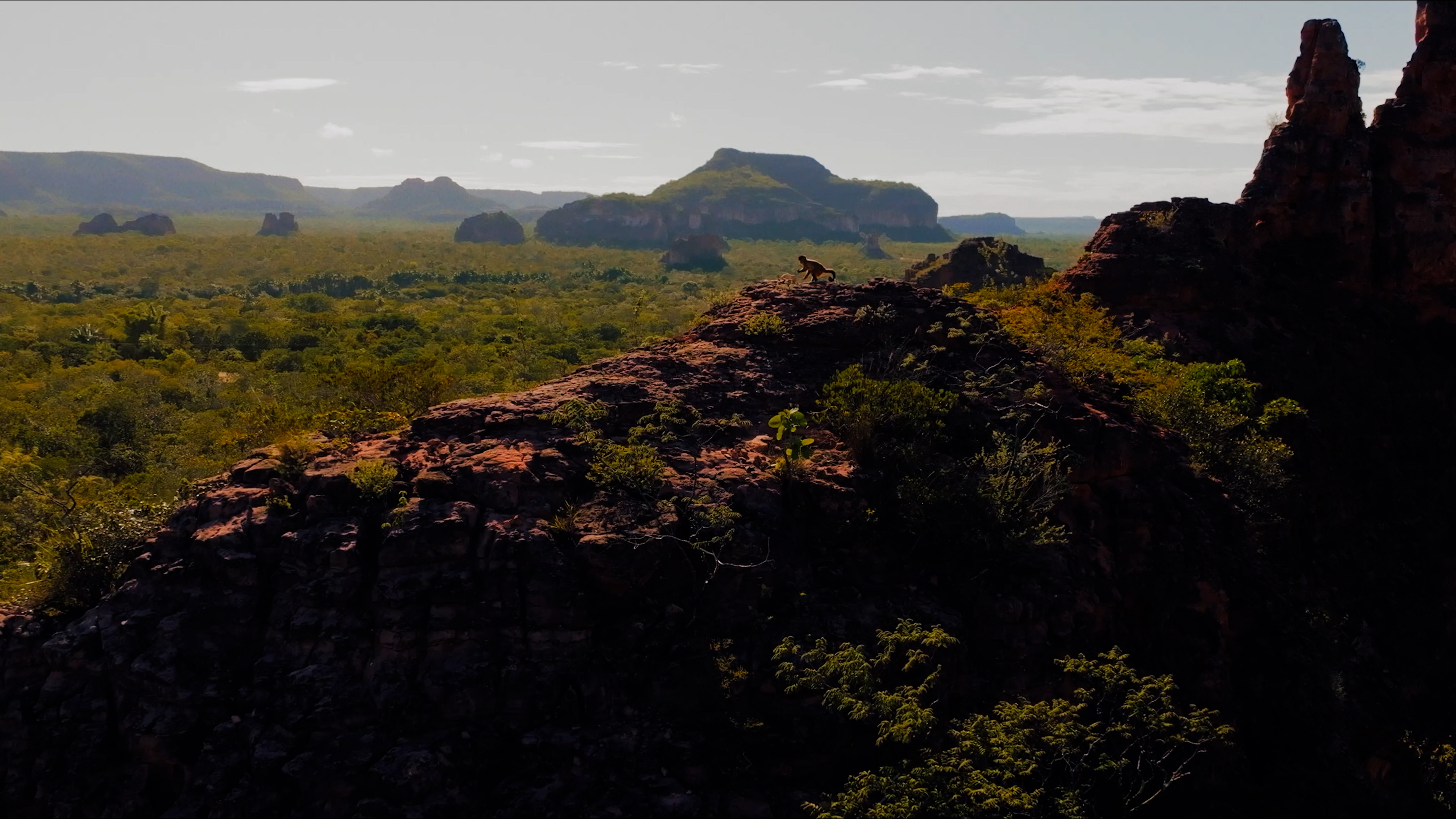
Amid Brazil’s red rock savannah, life adapts to harsh conditions. Maned wolves, rattlesnakes, and anteaters roam, while yellow-breasted macaws nest in cliffs. Capuchin monkeys here use tools to crack palm nuts – an extraordinary behaviour first witnessed by Junio as a child. He and his siblings now document the troop, observing generational changes and the effects of global attention. We follow Junio and his father as they try to uncover the monkeys’ sleeping site. So far, all they know is that the primates climb the cliffs of a table mountain each night. But on the far side of the mountain lies land owned by a neighbour. Dependent on traditional agriculture, he sees no alternative but to clear the land with fire – a destructive and unsustainable method.
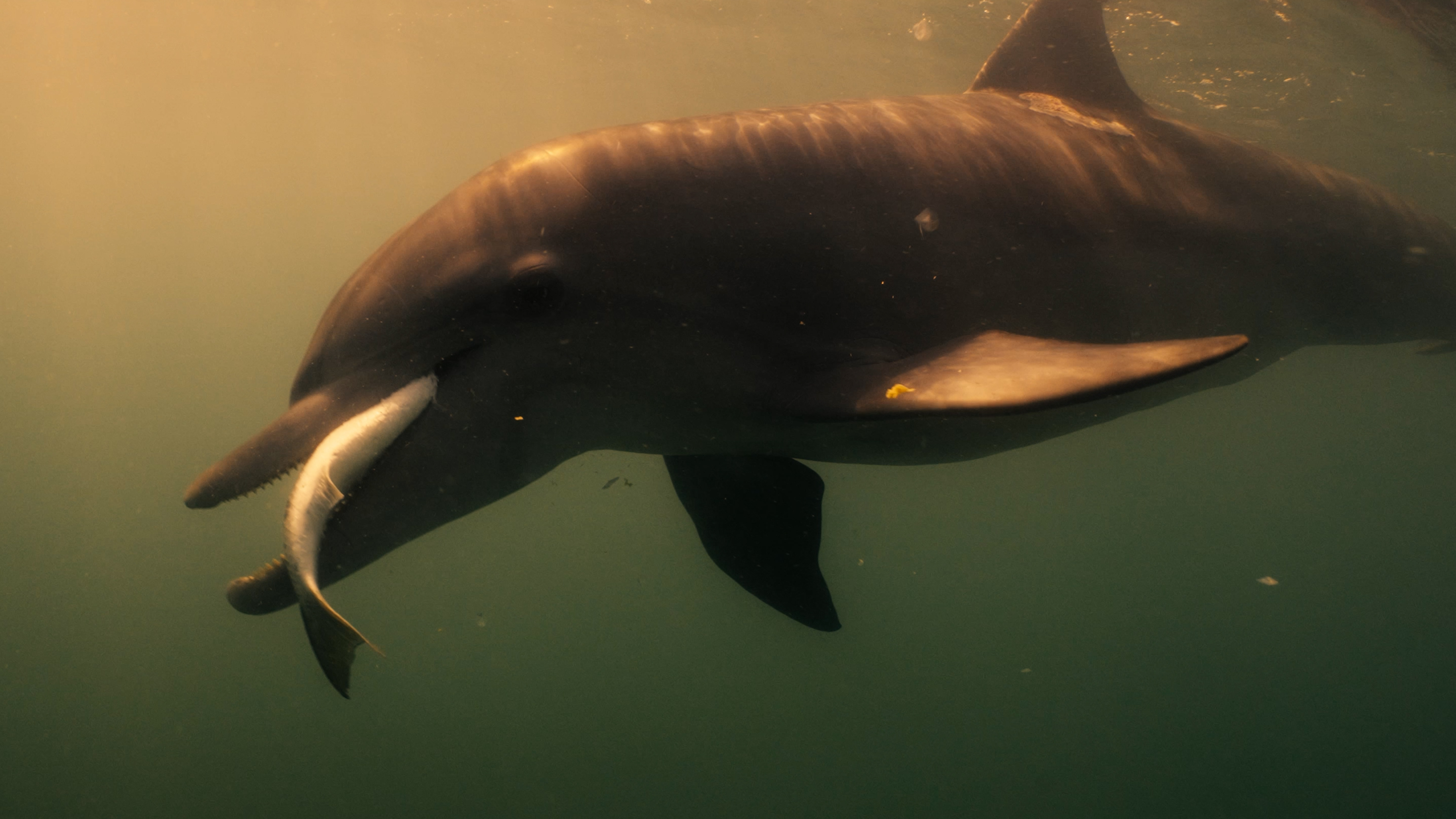
In Laguna, a coastal town in southern Brazil, lives a unique population of bottlenose dolphins – the so-called Laguna dolphins. For generations, they have been working side by side with Lucas and other local fishermen. Early in the morning, they stand on the beach, gazing out at the water. They wait for the animals. Then, with just a glance at a dorsal fin, they recognize “Figuerero,” “Rubber,” “Scube,” and the others as they seemingly playfully drive a school of fish toward the shore.
But this unique tradition is under threat. More and more dolphins are dying due to human activity. Speedboats, jet skis, and industrial fishermen with gillnets kill them again and again. From once 50 dolphins, only half remain. If nothing changes, scientists predict the extinction of the “Laguna dolphins” – and the end of this tradition – within just six years.
Yet Lucas and the other traditional fishermen are fighting back.
In WILD SOULS we venture on a powerful journey through South America to meet its extraordinary wildlife and the people fighting to protect it, revealing the fragile bonds that connect animals, communities, and the ecosystems we all depend on. Understanding these intricate relationships is essential to recognising that nature is not separate from us, but the living system that sustains us all, and protecting it is a responsibility we all share.
Interested in licensing or footage usage?
Contact us directly.