- Genre
- Nature & Wildlife
- Duration
-
1 × 50
- Definition
- 4K
- Audio
- 5.1
- Status
- In Development
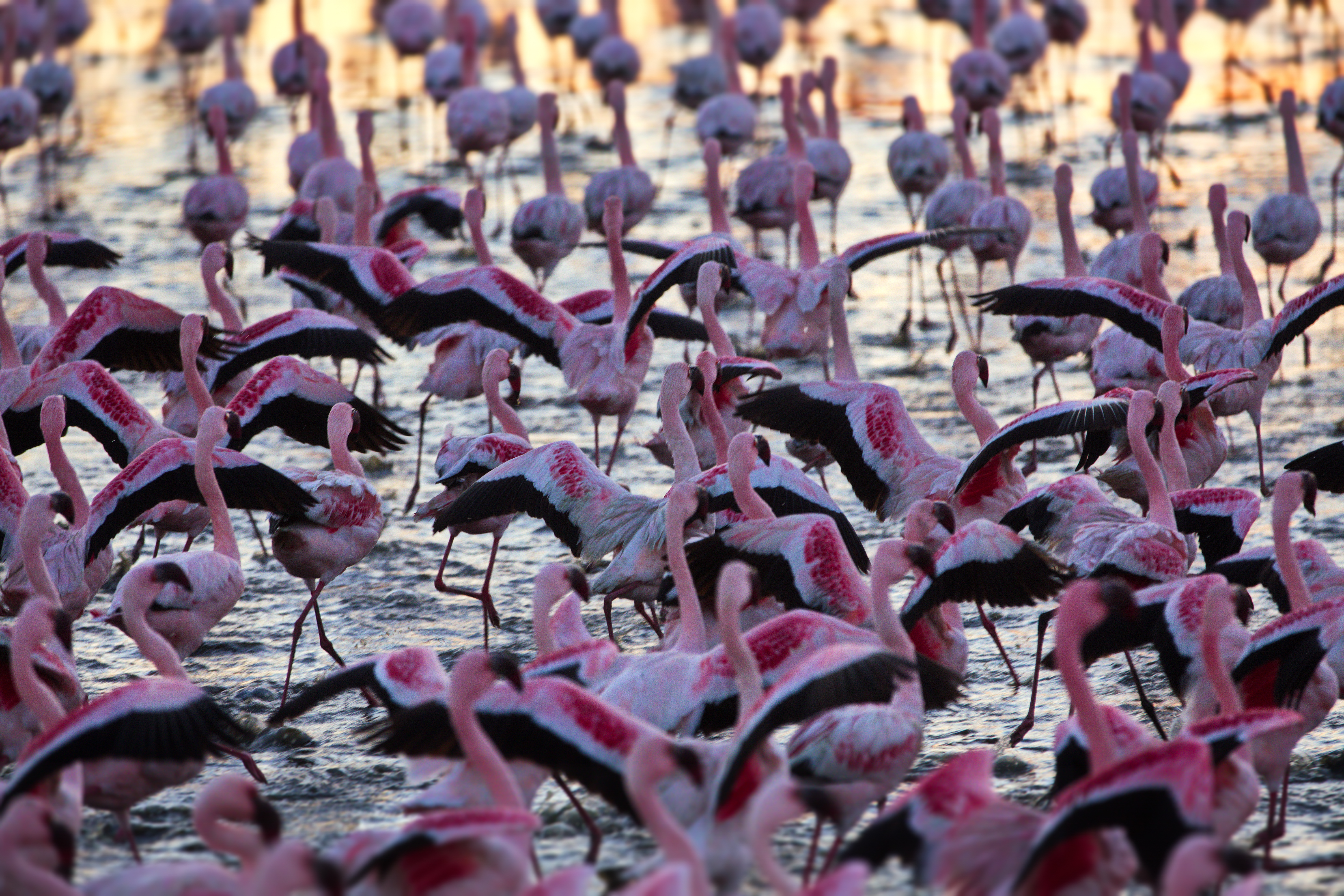
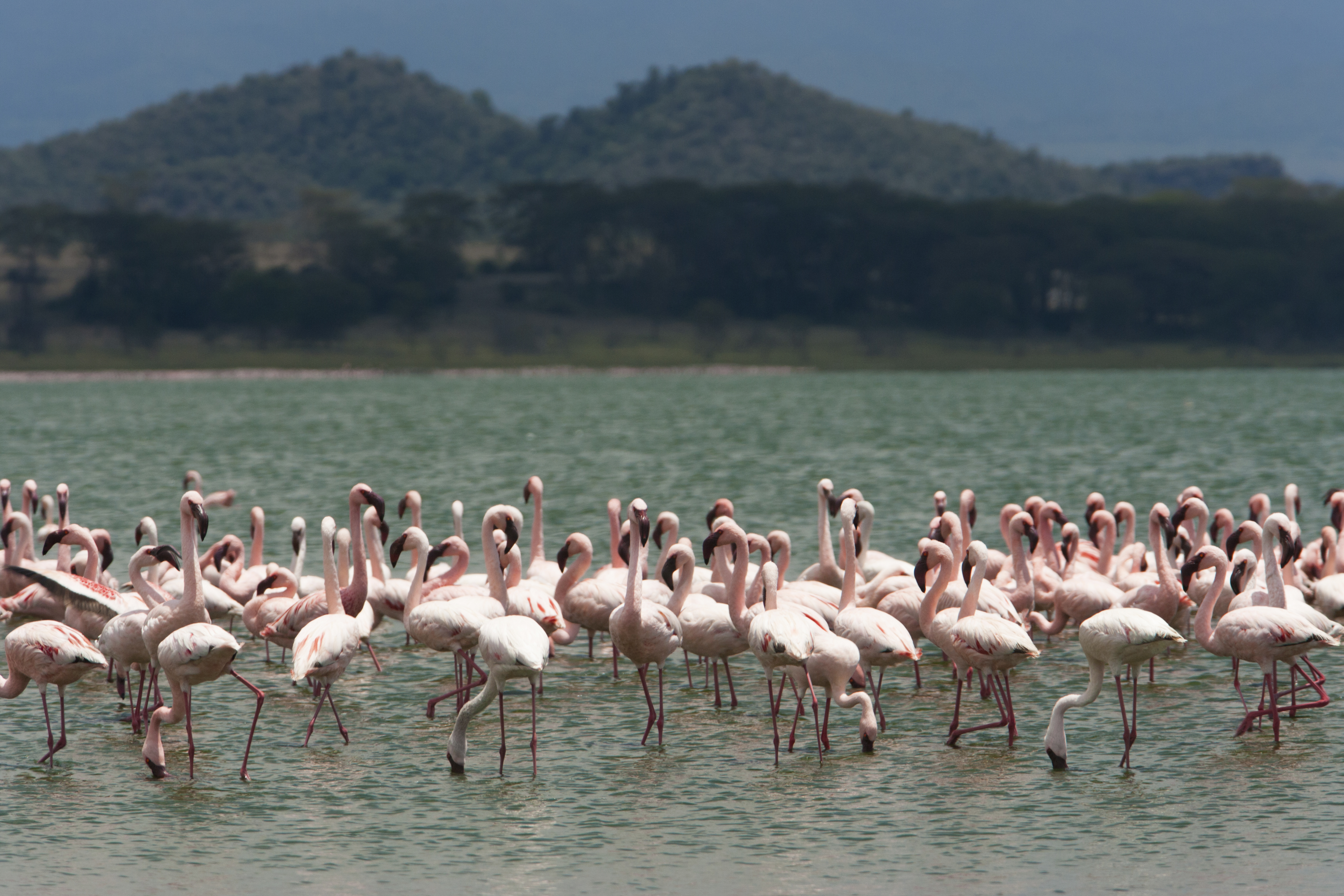
In Kenya’s remote Suguta Valley, zebras, elephants, crocodiles and nearly one million Flamingos survive a volcanic desert shaped by heat, salt and scarce water.
In northern Kenya lies a valley of volcanoes, salt pans and scorching heat. The Suguta Valley is one of East Africa’s most remote landscapes, where survival depends on finding water in a land that seems almost devoid of life.
The valley stretches between the steep walls of the East African Rift. Crescent-shaped dunes, young volcanic cones and bubbling hot springs shape a landscape where temperatures remain high even at night and roads, villages and hotels are absent. In the dry season, the Suguta River becomes the valley’s main source of water. Rising from a boiling spring on the slopes of Mount Silali, it flows around 150 kilometres north before reaching the shallow soda lake of Lake Logipi.
Among the animals adapted to these extremes are Grevy’s zebras, the largest of all zebra species. They can survive for days without drinking and roam across vast territories in search of food and water. Unlike other zebras, the stallions defend territories rather than harems, while mares with young foals remain close to reliable water sources. Once widespread, Grevy’s zebras have declined dramatically, although conservation measures have helped maintain an important population in northern Kenya.
Other animals have developed their own strategies. Elephants use their sense of smell to locate underground water and dig down to hidden reserves. Gerenuks and oryx can obtain the moisture they need from vegetation, while Nile crocodiles survive the driest periods concealed in mud, slowing their heartbeat and breathing to a minimum.
But the valley holds an even greater surprise. In December 2024, two biologists surveying the wildlife from the air discovered an immense gathering of Lesser Flamingos at Lake Logipi. Around 900,000 birds covered an area nine kilometres long and 500 metres wide, representing roughly half of East Africa’s population.
Their presence may be linked to changes elsewhere in East Africa. Rising water levels in well-known soda lakes have diluted their salty waters and reduced the algae on which Lesser Flamingos depend. At Lake Logipi, the conditions still provide the chemistry they need. Yet the birds are not tied to this lake alone. During the breeding season, they travel around 700 kilometres south to Lake Natron in Tanzania, where they lay their eggs before the next generation eventually heads back towards the Suguta Valley.
From zebras and elephants to crocodiles and hundreds of thousands of flamingos, life in the Suguta Valley is shaped by one overriding challenge: finding ways to survive in one of East Africa’s harshest landscapes.
Interested in licensing or footage usage?
Contact us directly.