- Genre
- Nature & Wildlife
- Duration
-
1 × 50 min
- Definition
- 4K
- Audio
- 5.1
- Status
- In Development
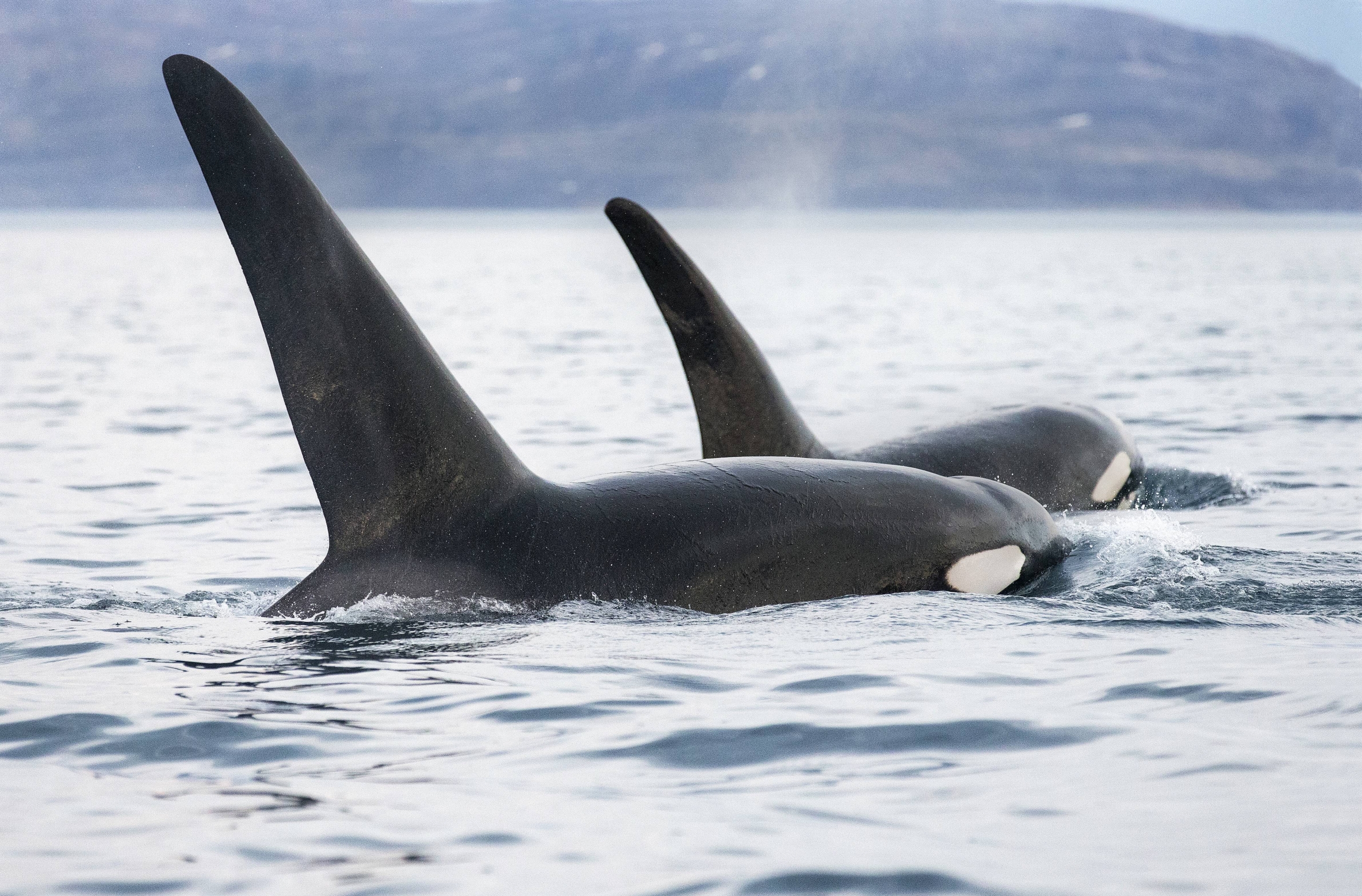
At the end of the world, orcas and South American sea lions rule the Strait of Magellan, shaping one of the richest ecosystems of the southern seas.
At the southern tip of South America, the Strait of Magellan cuts through one of the wildest regions on Earth. Here, between glaciers, islands and cold southern seas, an exceptionally rich ecosystem is shaped by two very different hunters: orcas and South American sea lions.
Chile’s Magallanes region is a wilderness of dark fjords, steep mountains and immense glaciers. Along the western coast, vast wetlands are home to millions of seabirds, including large colonies of albatrosses and rockhopper penguins. Dense rainforests grow on the cold, wet slopes of the southern Andes, while the Strait of Magellan winds for more than 600 kilometres through a maze of islands and rugged coastline.
At the top of this complex food web are the region’s largest marine predators. Around 18,000 South American sea lions live in the Strait, alongside an unknown number of orcas. Scientists are studying how these hunters affect the animals below them in the food chain and help shape the balance of the ecosystem.
The orcas remain particularly mysterious. Researchers have identified Type A killer whales in the Strait of Magellan, animals that hunt marine mammals such as smaller whales and sea lions. The much less understood Type D has also been recorded here. These smaller orcas feed on fish and have learned to take large hake directly from fishermen’s longlines. Initial genetic studies suggest they may represent a previously unrecognised subspecies.
South American sea lions are another major force in these waters. On Isla Marta, a once-small colony has grown to more than a thousand animals. Their diet includes hake, blennies and salmon, bringing them into contact with the region’s salmon farms. Escaped Coho salmon have successfully established themselves in the Strait, raising ecological concerns while also providing a new source of food for sea lions.
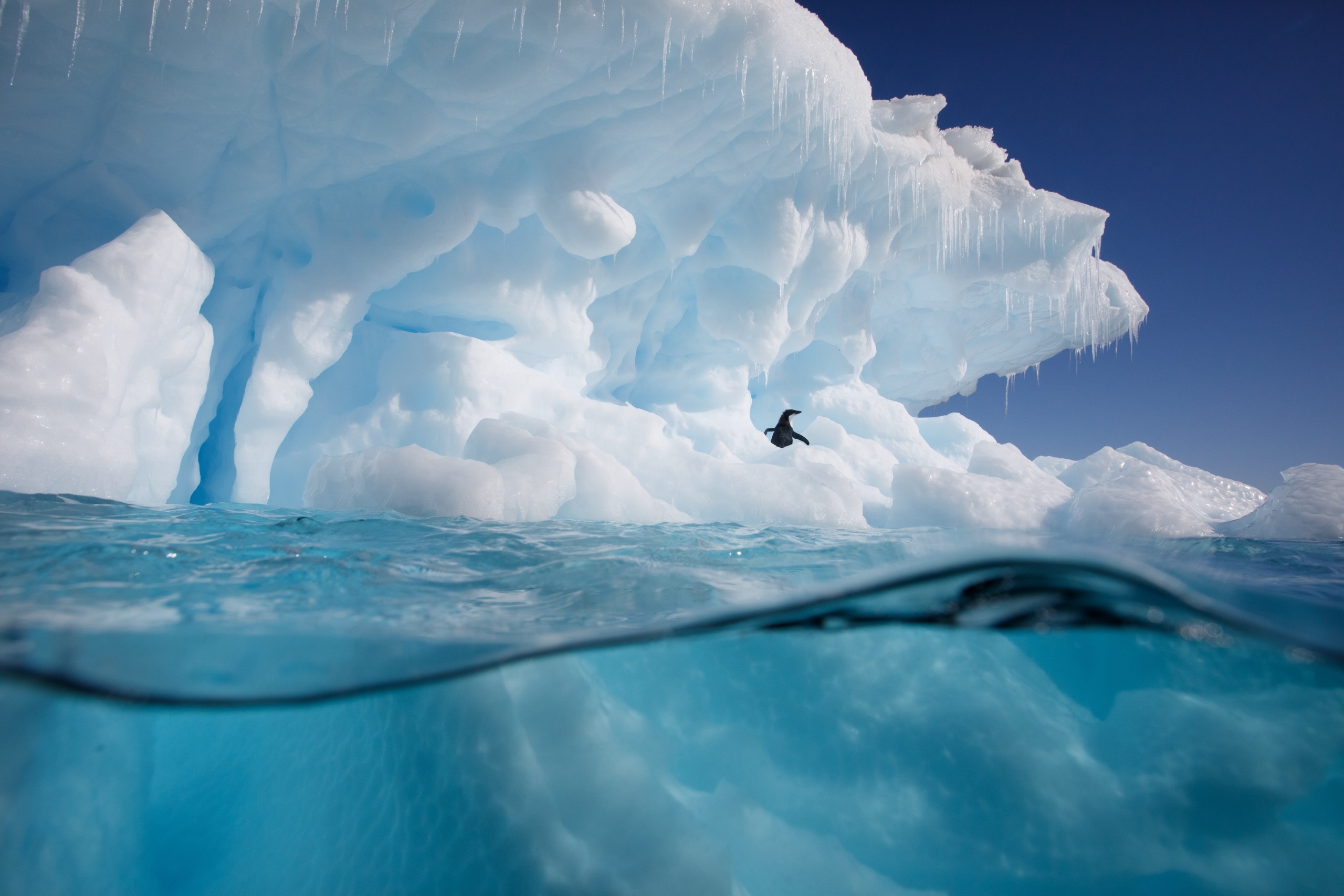
Nearby, Isla Magdalena is home to around 60,000 breeding pairs of Magellanic penguins. Beneath the surface, forests of giant kelp provide habitat for Peale’s dolphins, which hunt and breed among the swaying fronds. During the Antarctic summer, sei whales also enter the Strait to feed on large schools of fish.
And there is still much to discover. On the dark seabed, scientists have found colourful communities of hydrozoans, sponges, bryozoans, shellfish, starfish and crabs. Together they form dense structures known as marine animal forests.
From krill and fish to penguins, dolphins, whales and sea lions, life in the Strait of Magellan is connected through an intricate food web. At its top are the giants of the southern seas, predators whose influence reaches far beyond the animals they hunt.
Interested in licensing or footage usage?
Contact us directly.